Northern Thailand
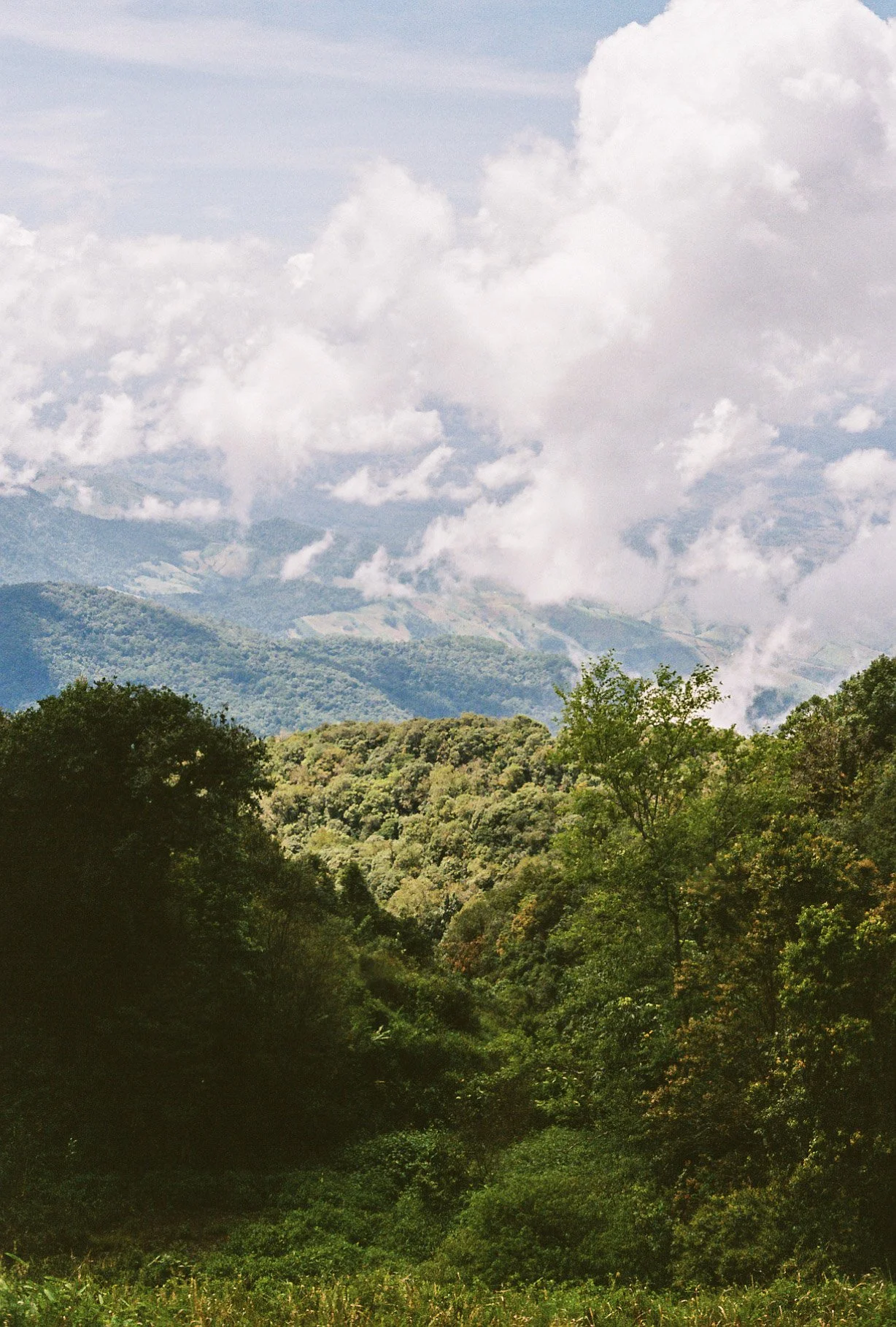
Northern Thailand, is known for its thickly forested mountains inhabited by several ethic groups, and for towns nestled beside endless forests and waterfalls hidden behind lush greenery. Traveling by bus through the northern region means winding roads that twist through mountains and valleys.
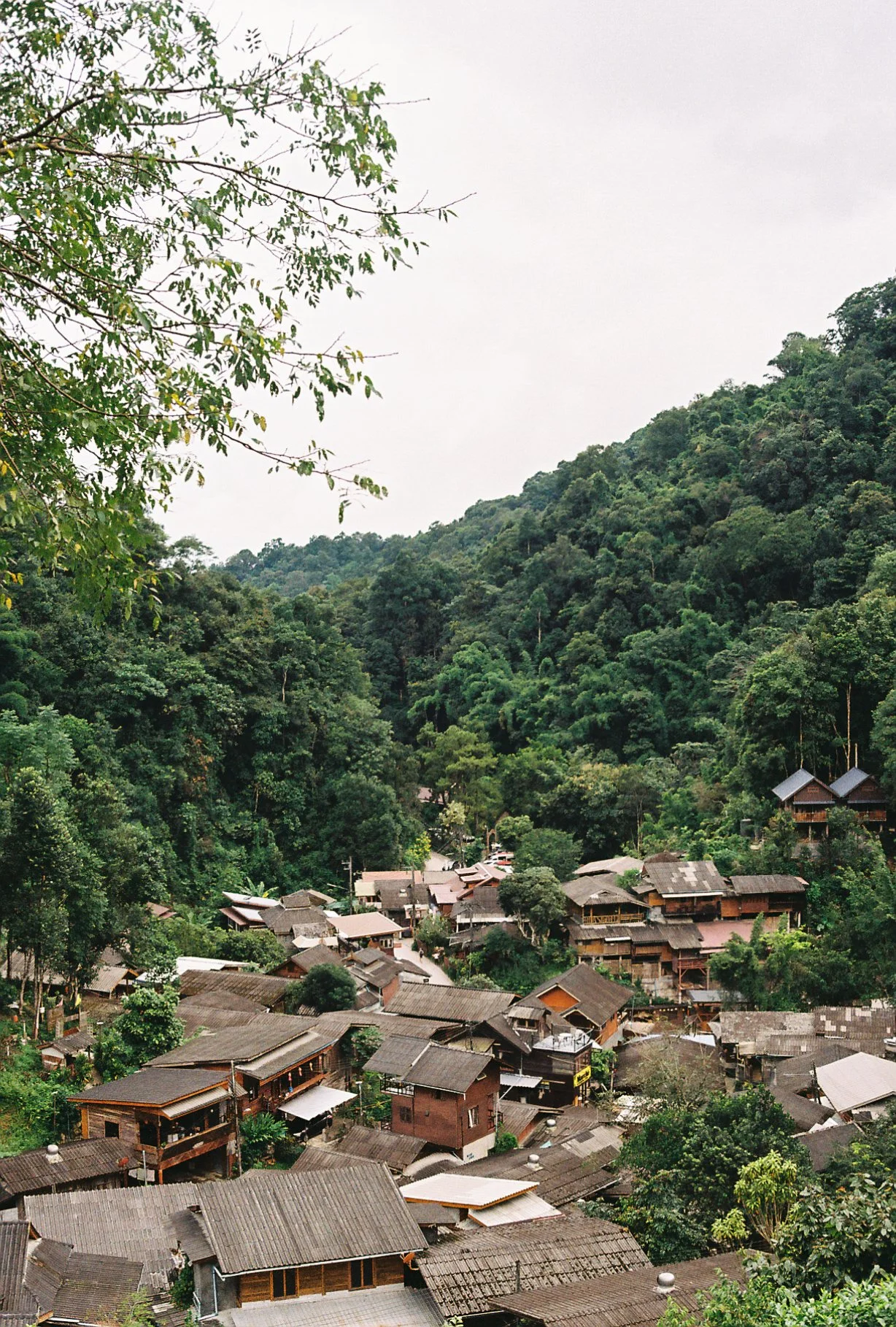
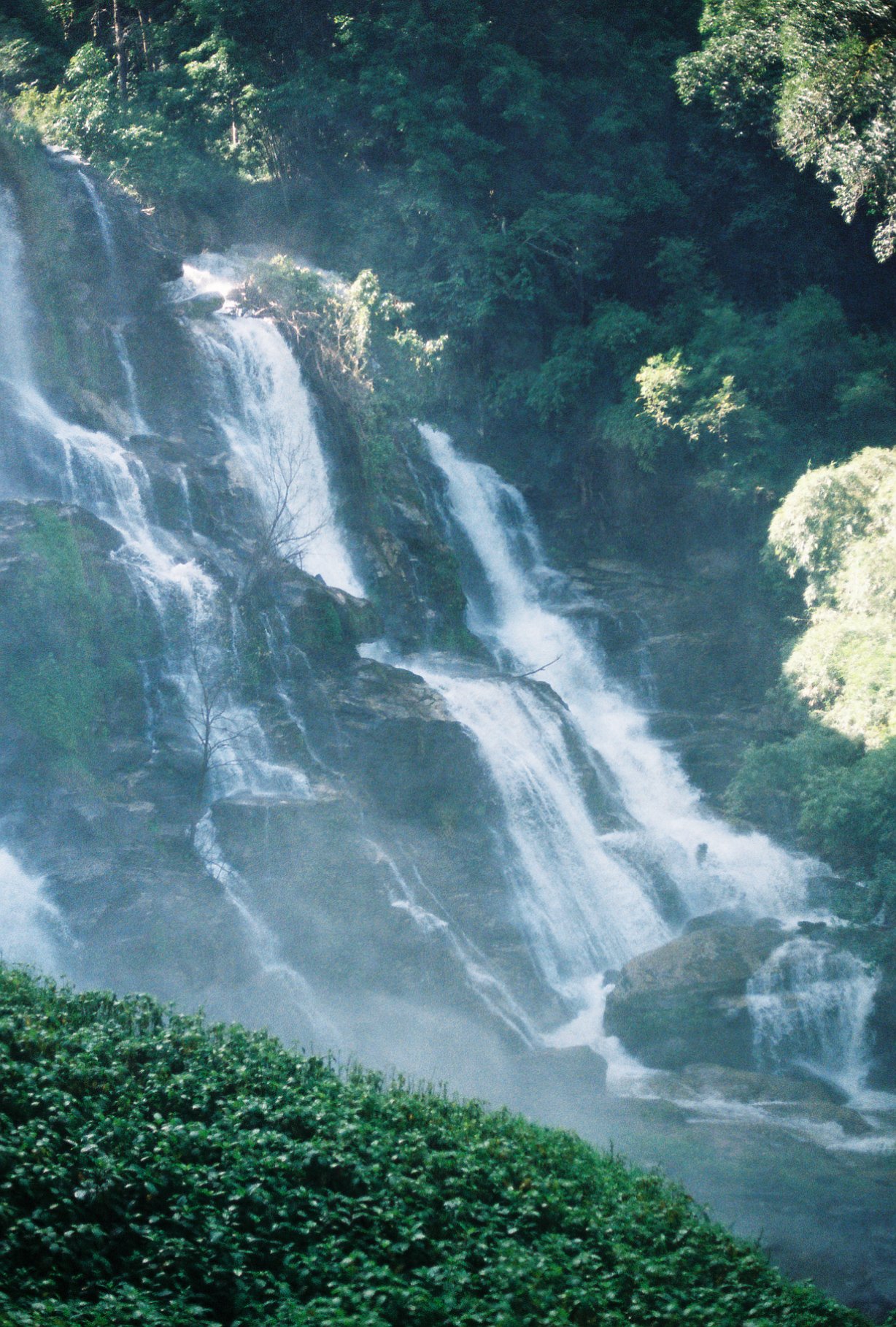
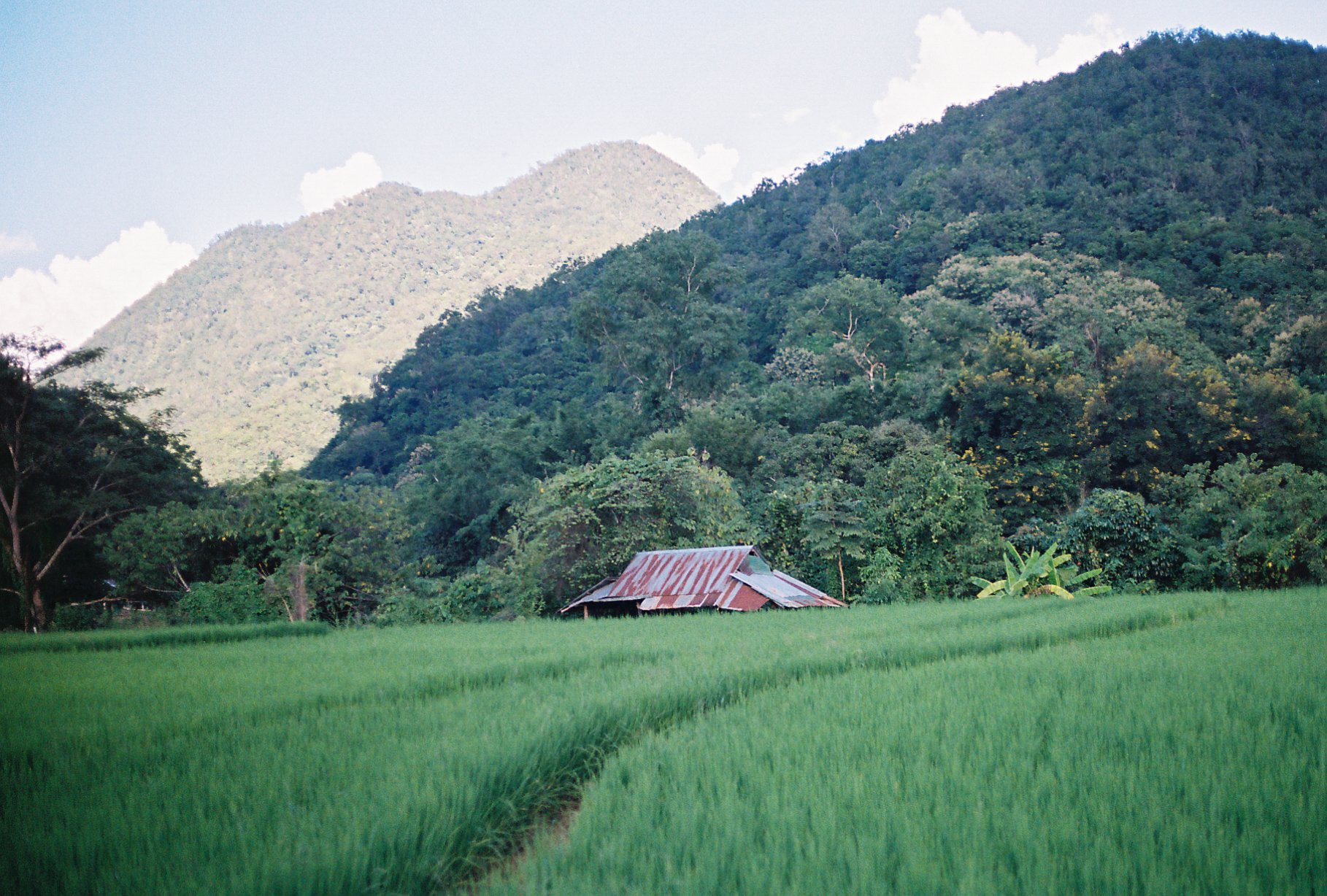
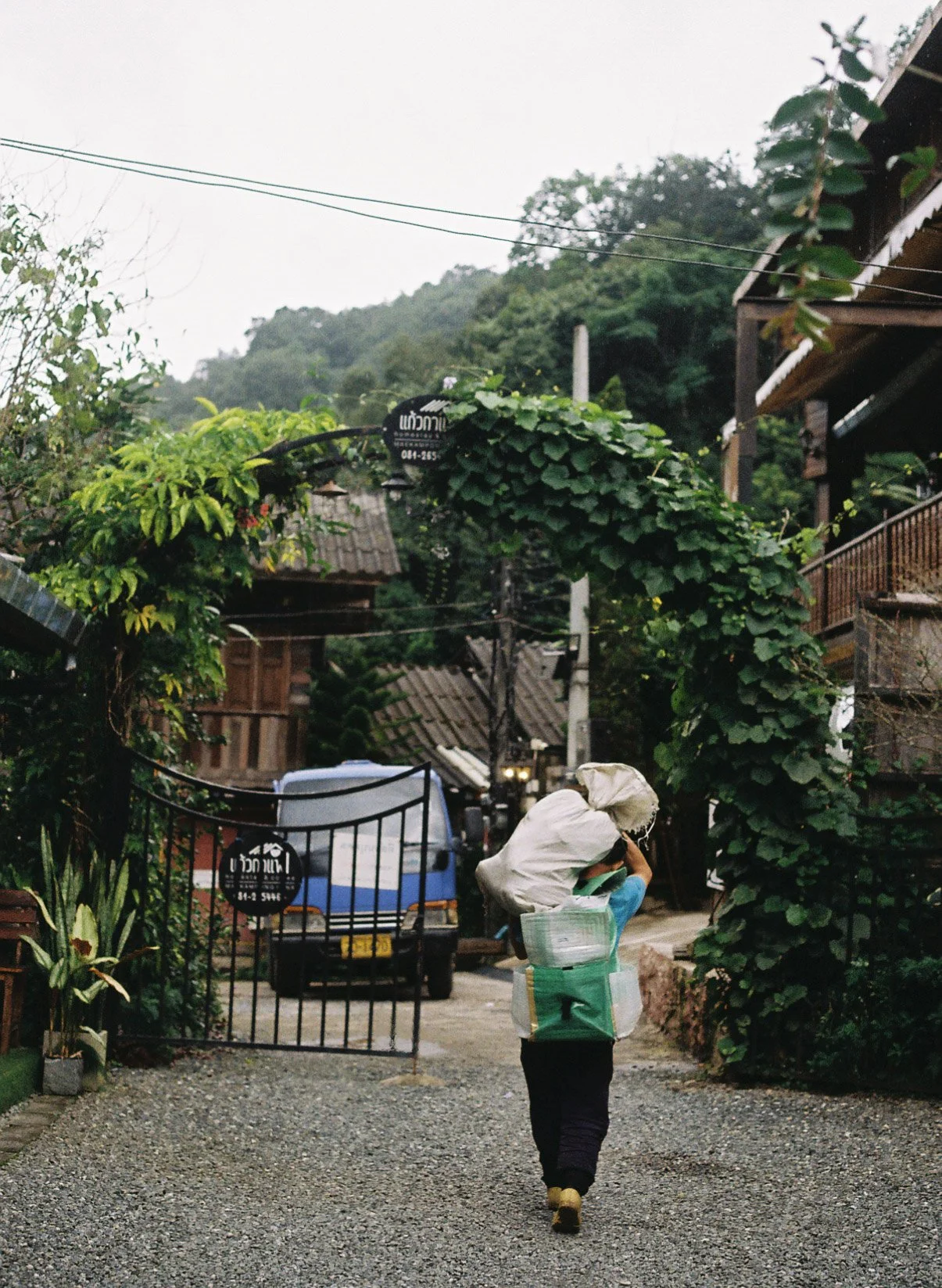
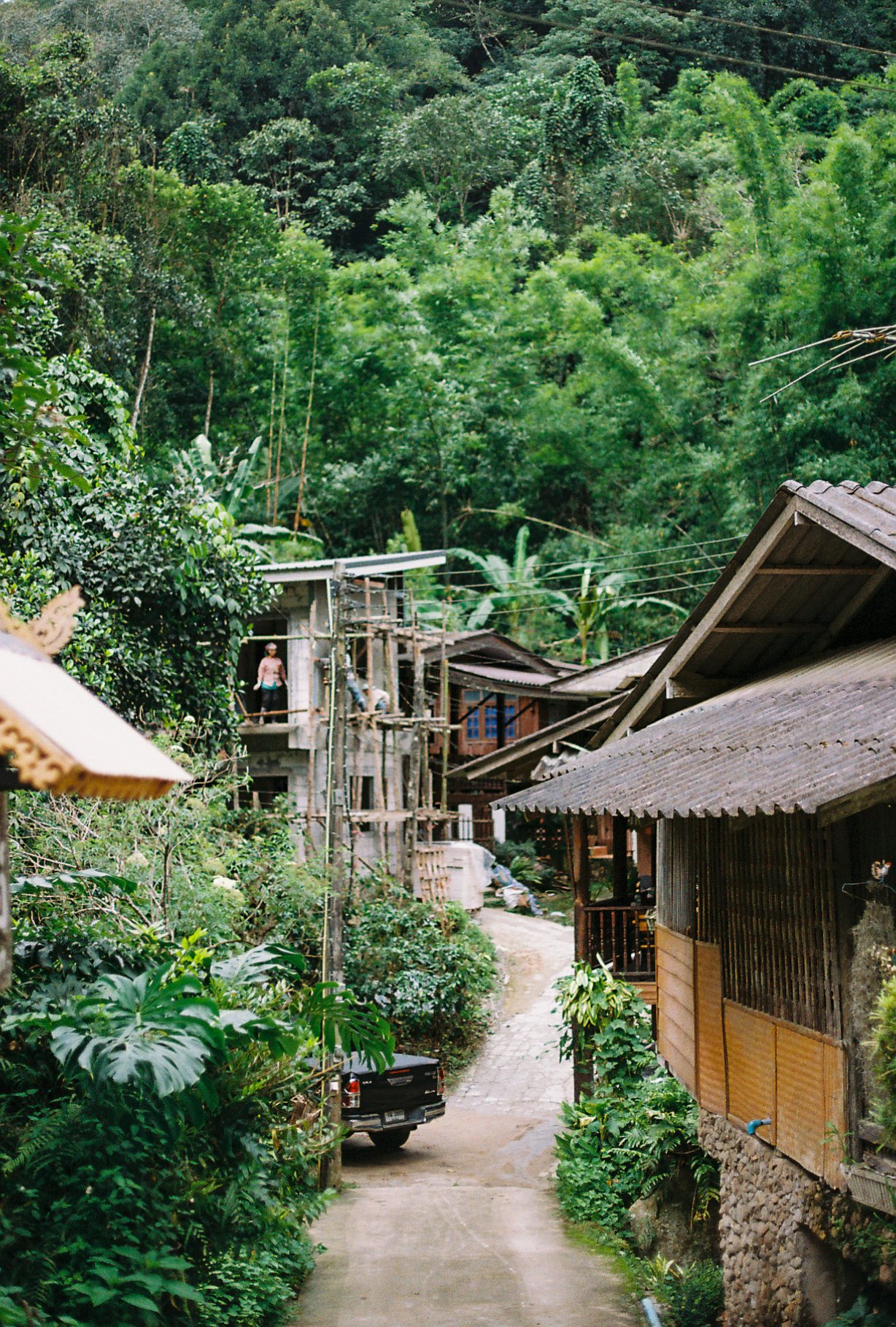
One village tucked deep into these mountains is Mae Kampong. Part of the Huai Kaeo subdistrict in the Mae On District, east of Chiang Mai Province, the town remains largely traditional, relying on agriculture- tea, coffee, and rice. A waterfall, the source of the stream that runs through the village, lies at the far end of town. Cascading over seven levels, its fresh, cold water brings a tranquility that captures the essence of the region.
Farther northwest lies Pai, a town in Mae Hong Son Province. Set in a valley along the Pai River, it is known for its nearby gorges, hot springs, and a laid-back atmosphere that draws thousands of tourists each season.
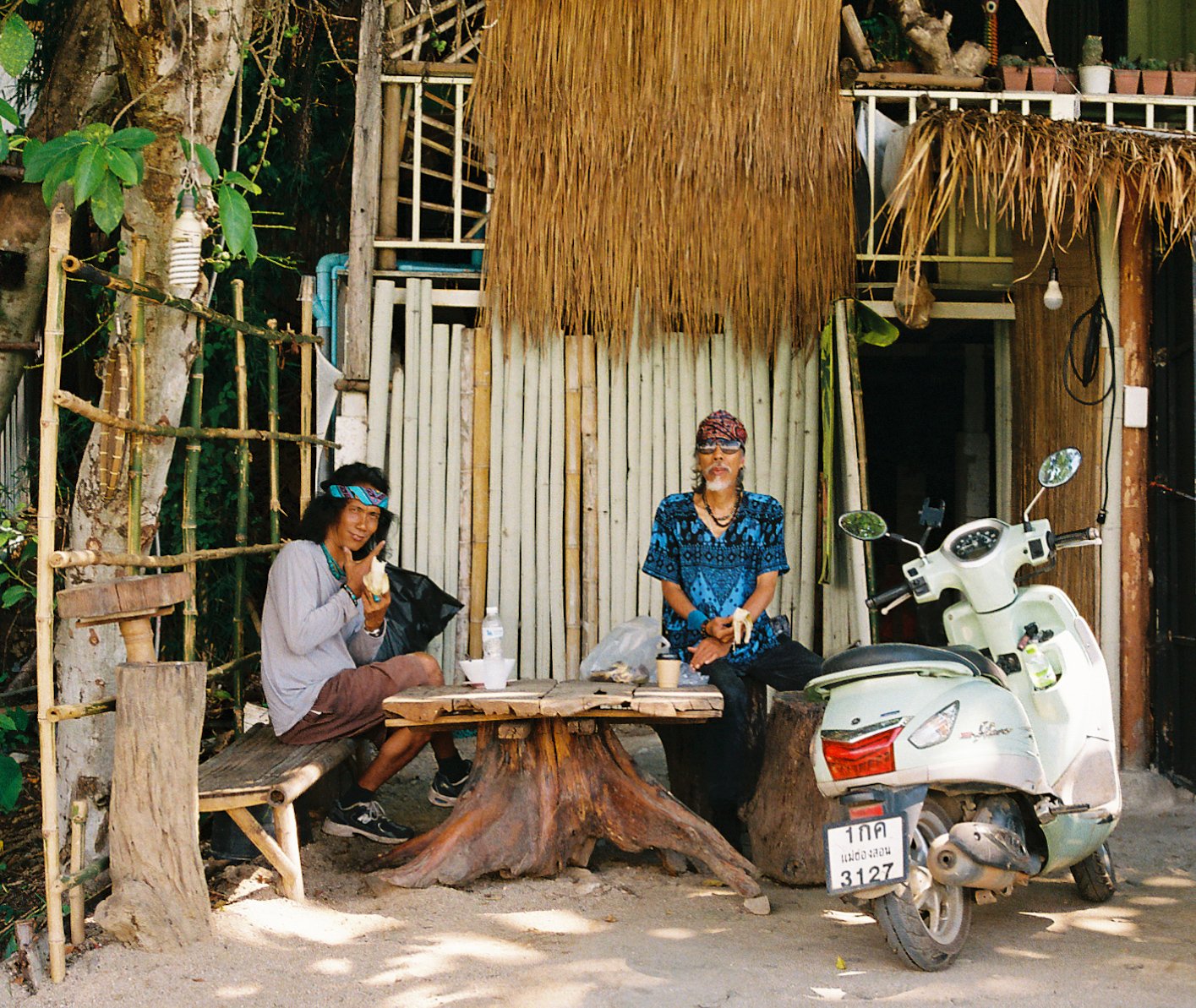
While exploring Pai, I happened to arrive during a weekend-long municipal festival. Each district showcased its own traditions, with parades filling the streets and performers singing their hearts out. Locals gathered at the basketball courts, where men played foot-tennis and soccer as passersby stopped to watch. Food stands offered every kind of meat, fried and grilled.
During one of the cultural events, a float director explained: “The importance of our culture and way of life cannot be overlooked, especially in Pai District, where the Shan people’s traditional ceremonies blend with the traditions and culture of the Lanna Thai, creating customs that are unique to this area. ”
The Karen Village
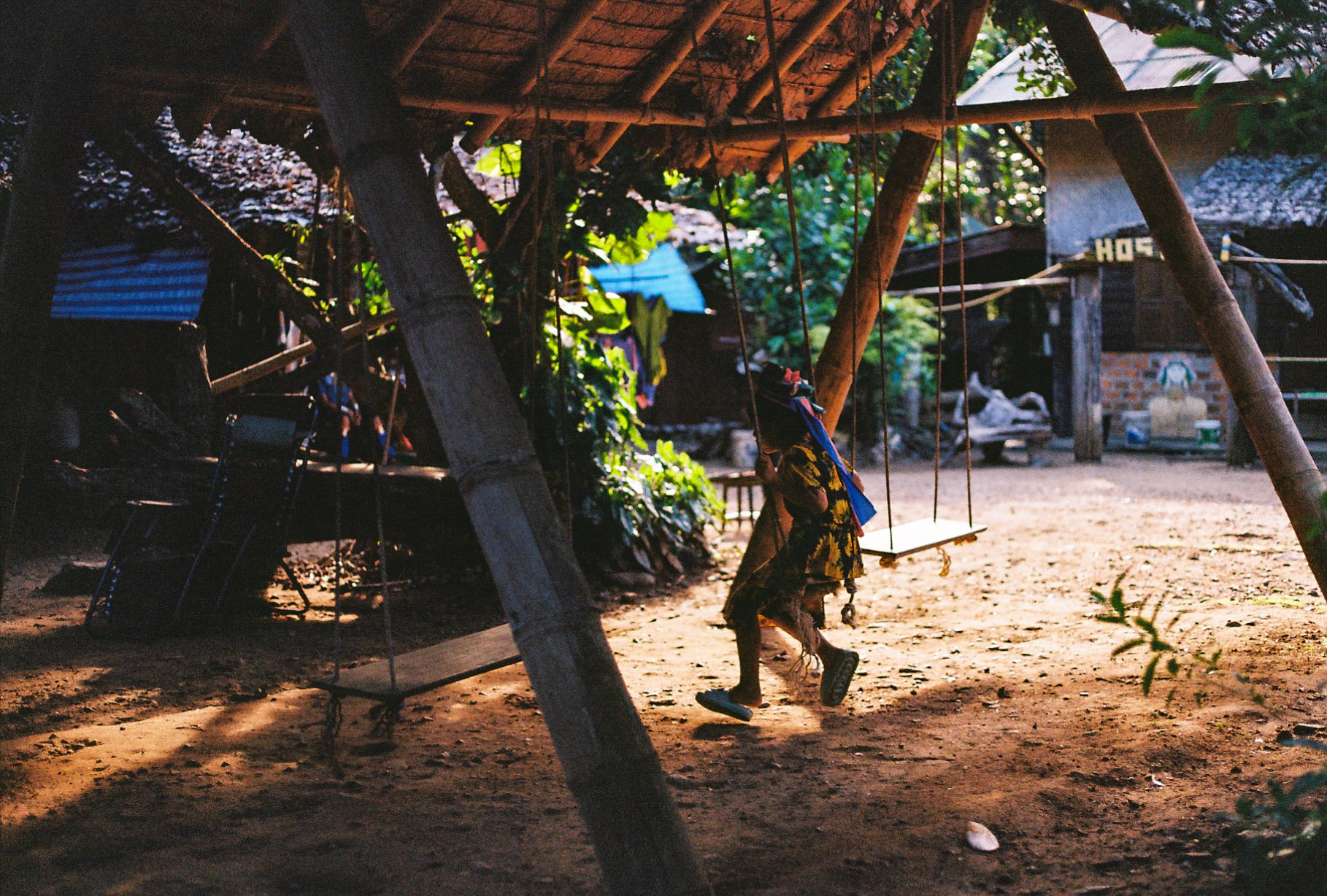
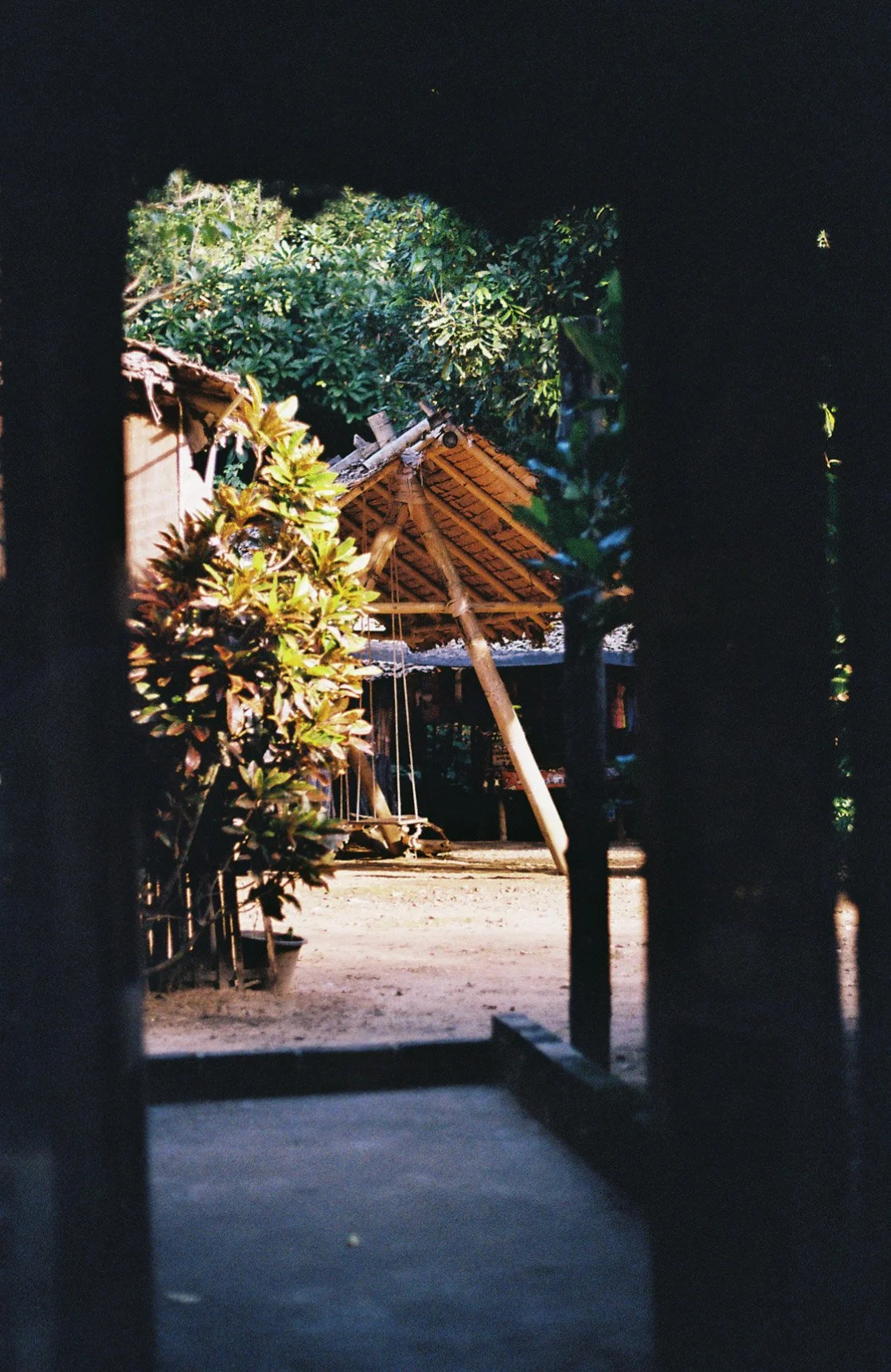
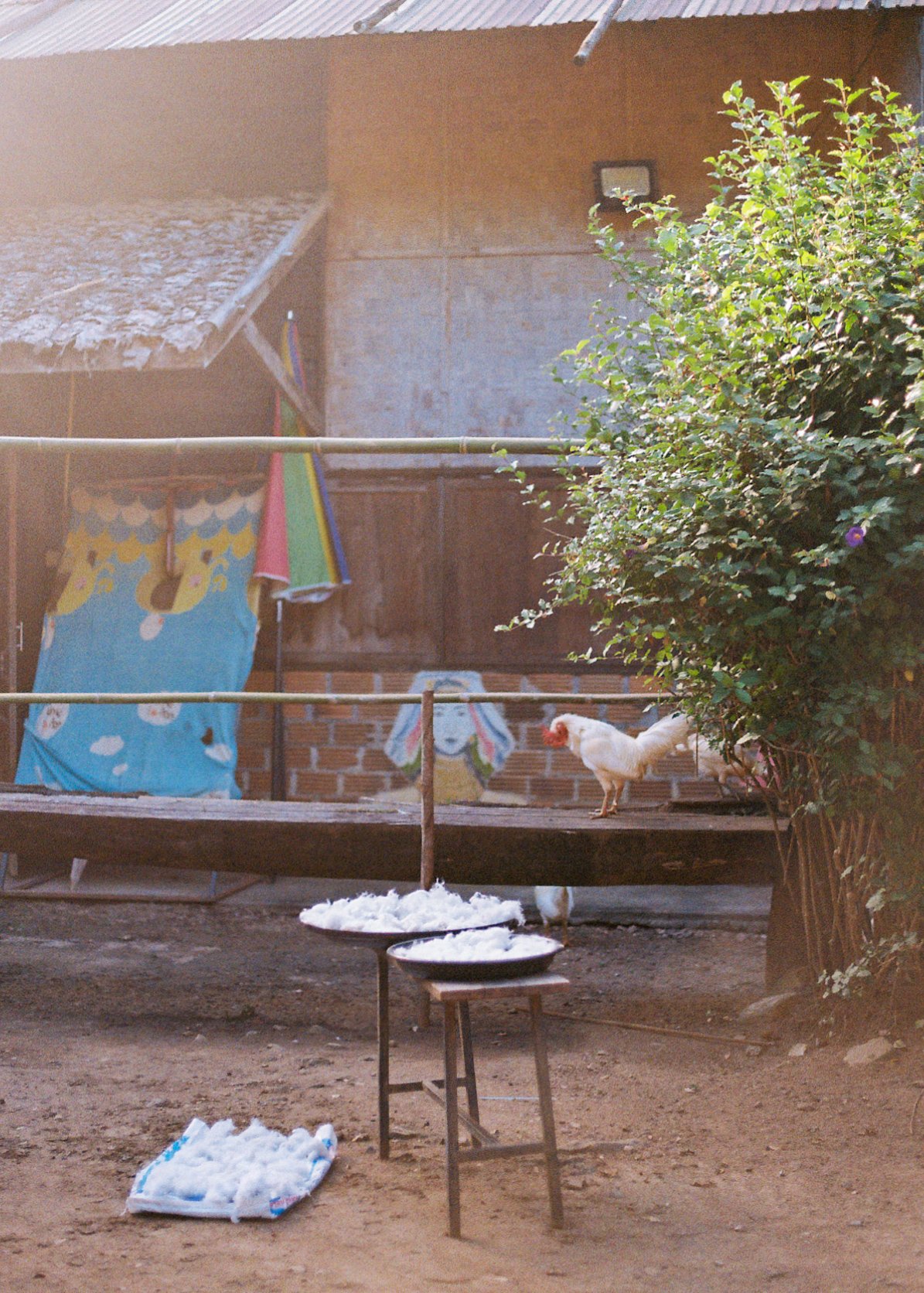
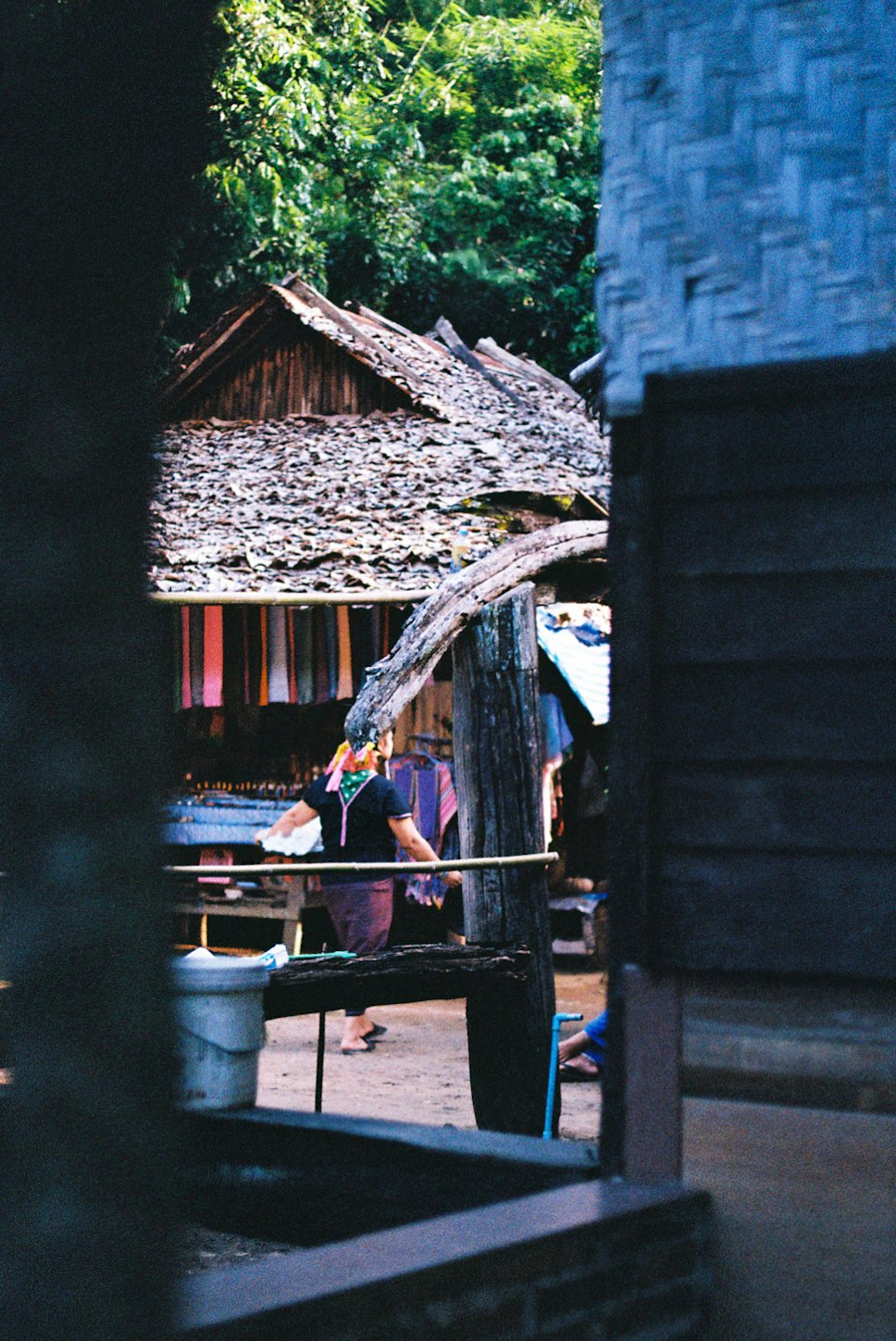
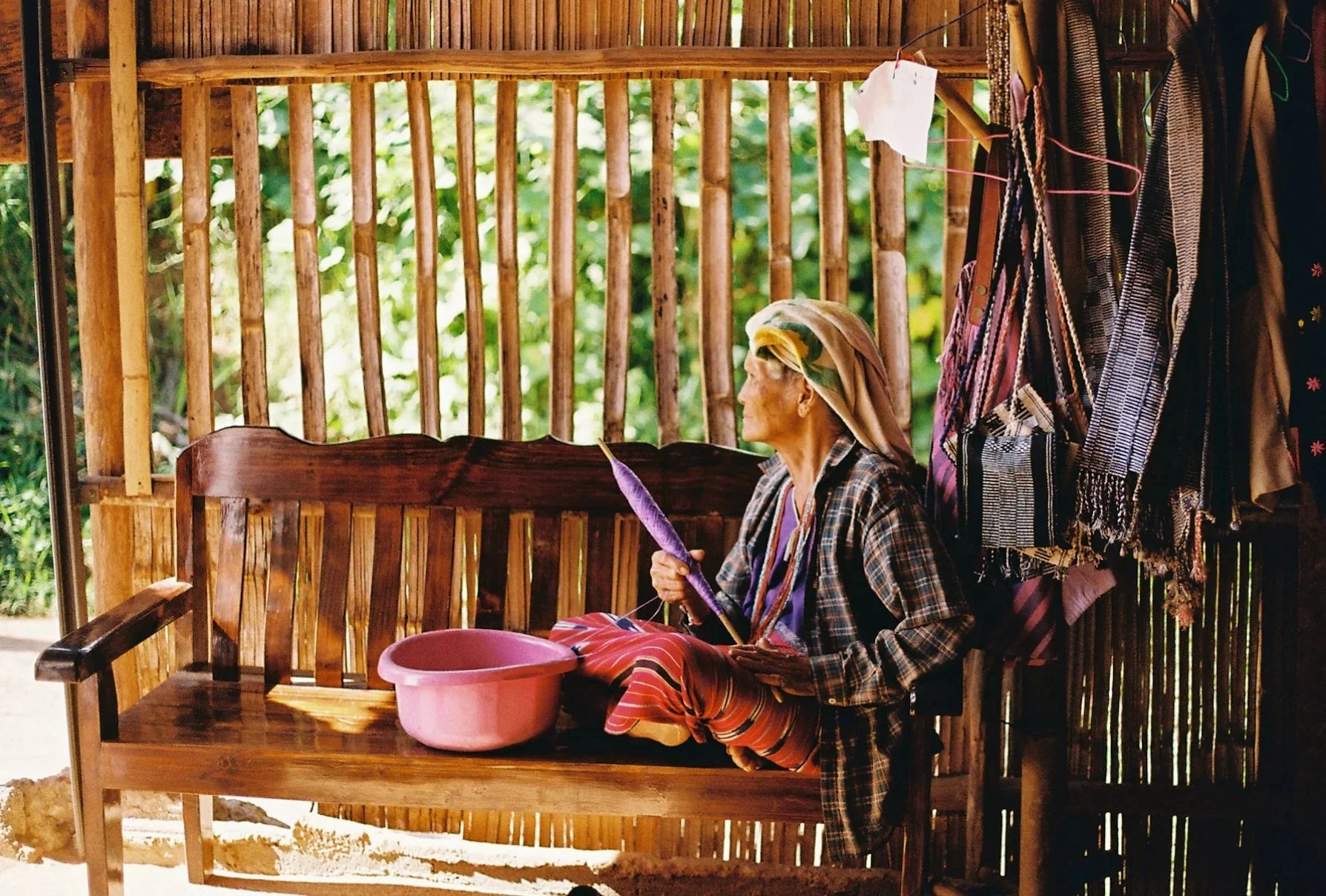
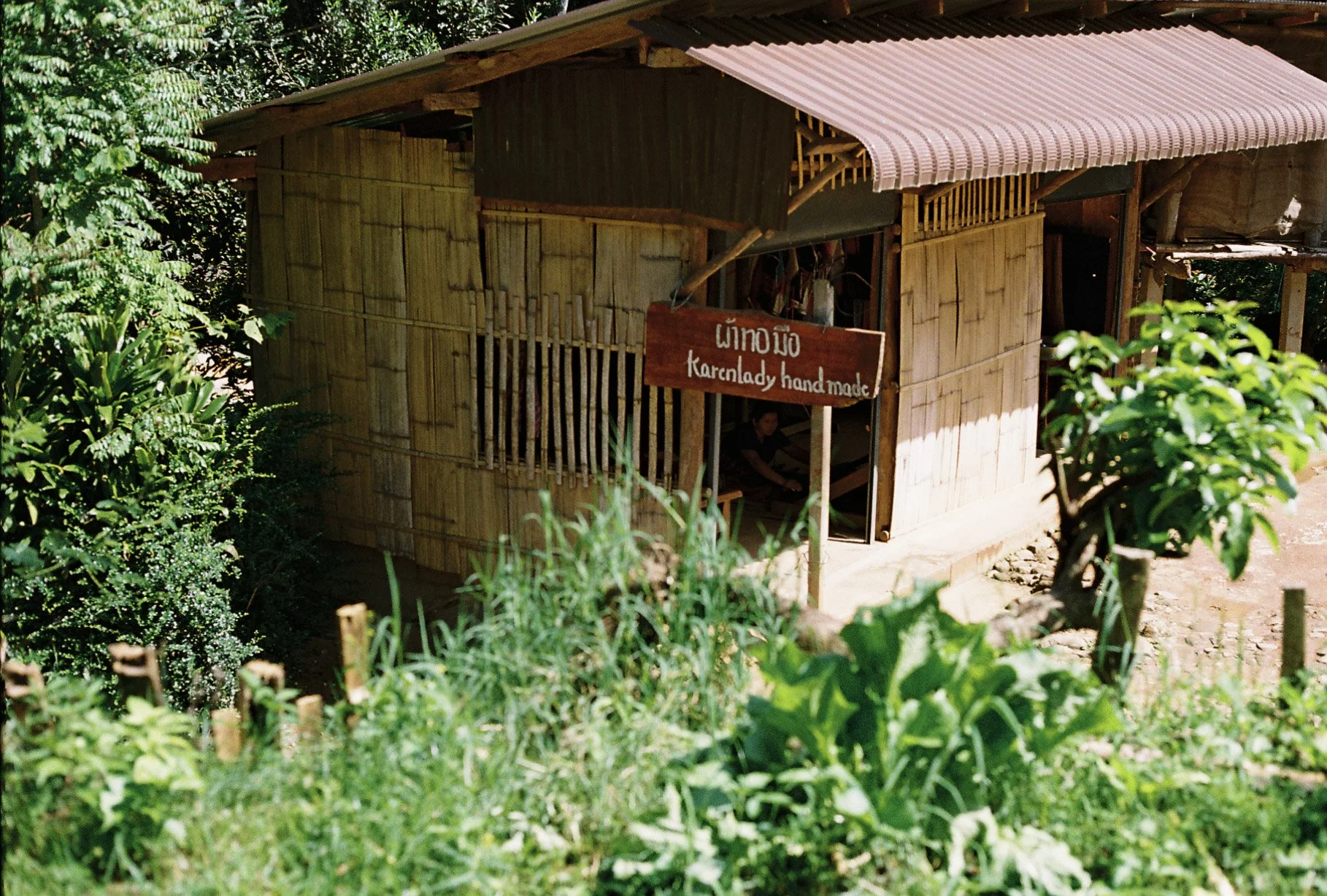
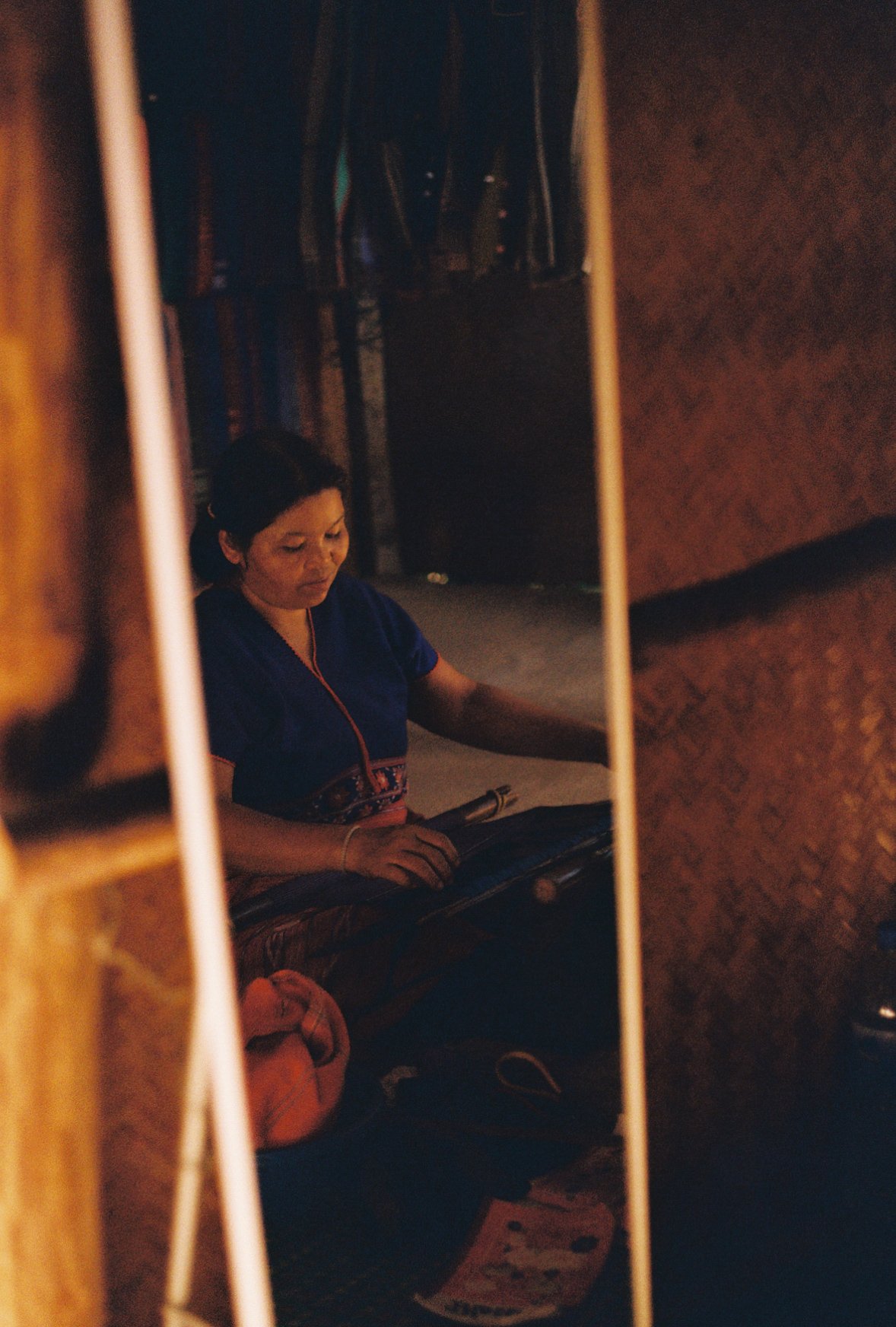
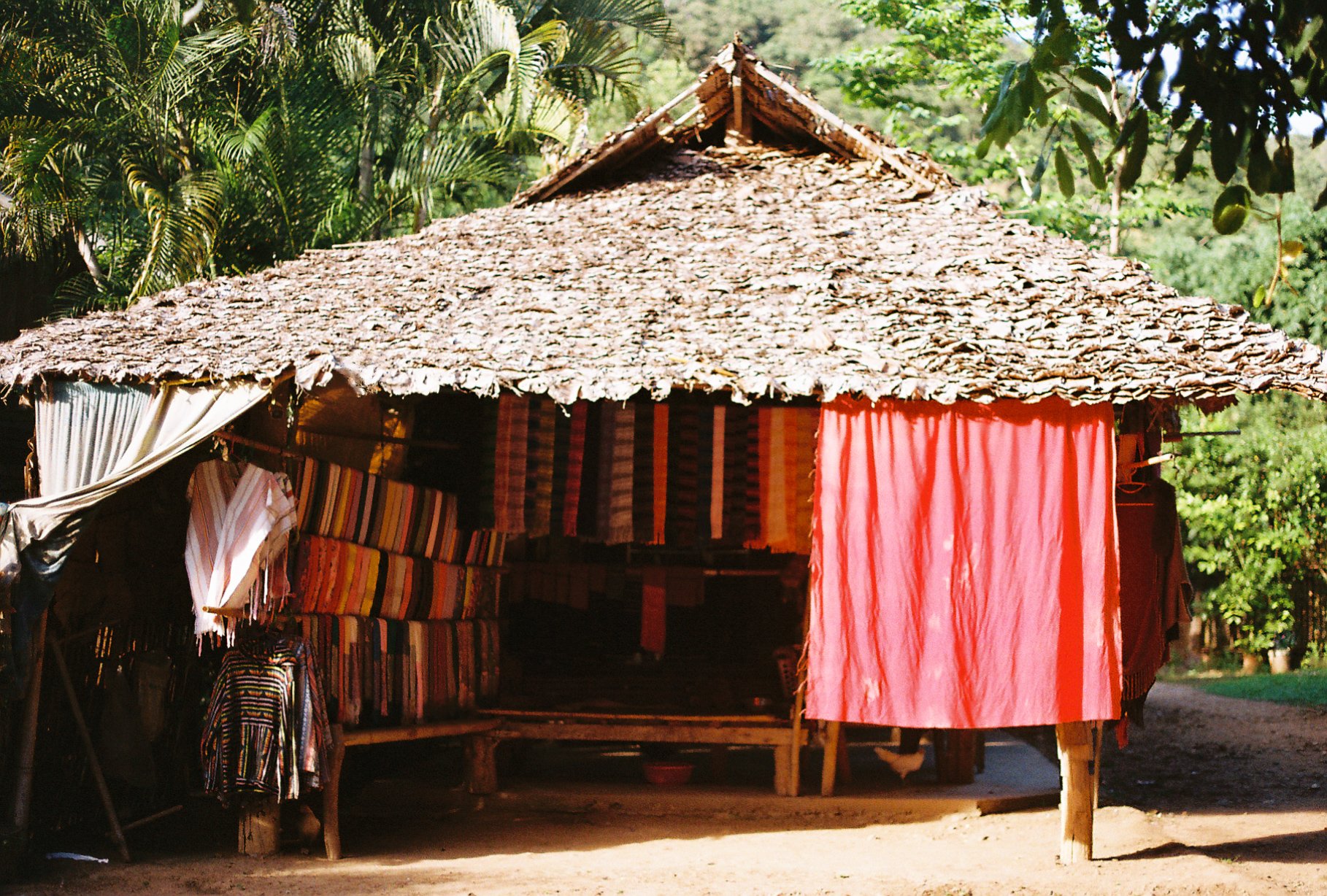
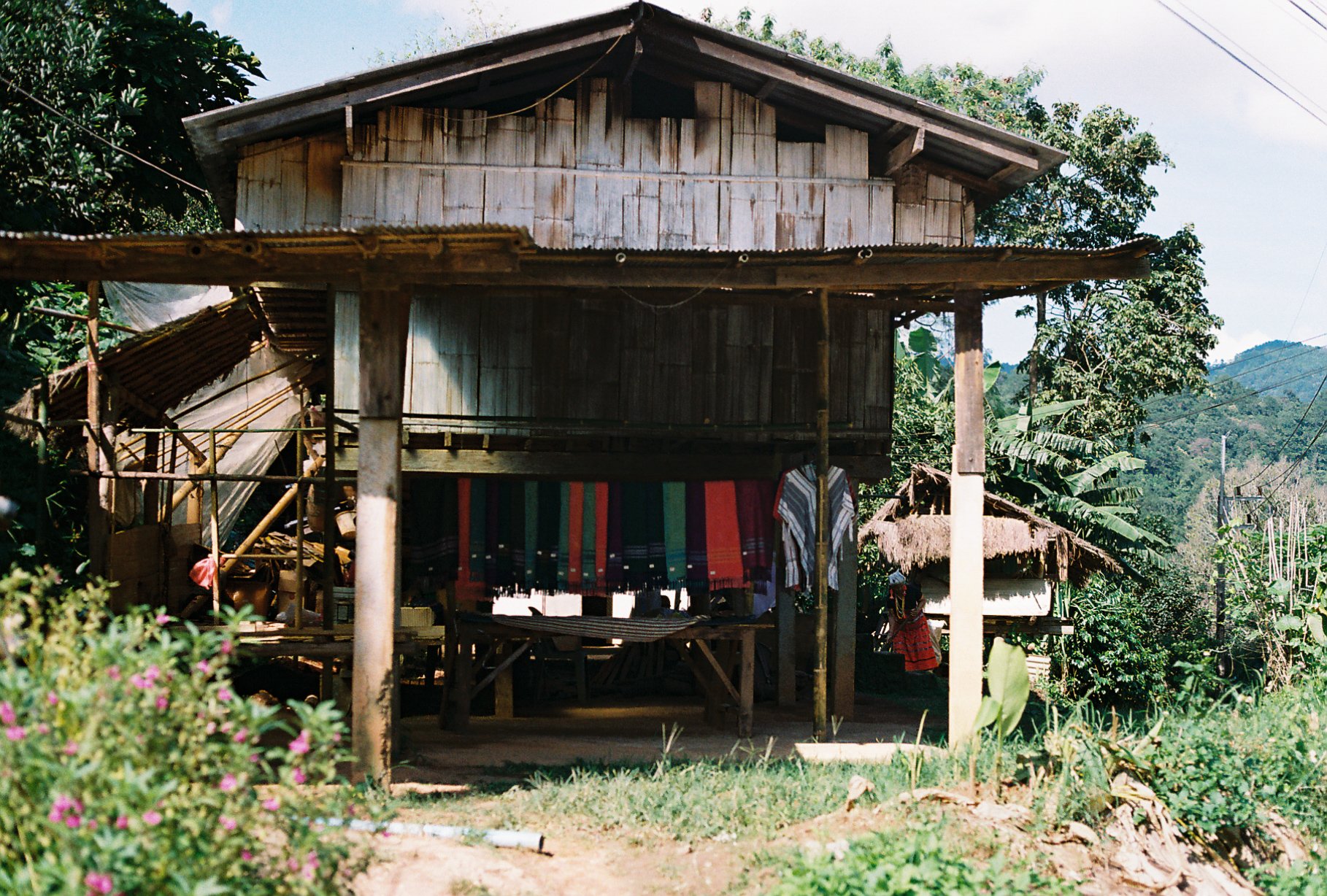
The Karen village was eerily quiet as I walked through the entrance. From the required entry fee, I deduced that this was more of a tourist-oriented village than an actual home. As I continued inward, the silence hung in the air. My surroundings were decorated with traditional cloths, handwoven from cotton and hemp. Walking slowly through the market, I was greeted by women at each stall, their tables filled with trinkets: souvenirs depicting the long-neck women, bracelets, and other brass accessories.
“Try it on—it’s made of the same material,” one woman urged as I examined the bracelets. She pointed to her own neck, wrapped completely in brass coils.
“Do you take it off?” I asked after speaking with her for a while.
“Only to change it,” she replied.
“When do you change it?”
“When I want to add more.”
“Do you want to add more?”
“No,” she said with a small smile.
Near the exit, a poster displayed copies of identification cards and vintage photos of community members posing with famous actors. Another document, printed in English, appeared both here and at each stall. Titled “The Secret of the Giraffe Women, Finally Revealed,” it described findings from an “intensive six-month research project,” concluding that the “length of their neck is only an ILLUSION.” The paper included x-rays, one of an average person’s ribs and another of a Karen woman’s, but listed no researchers’ names or citations.
Culturally, the Karens, traditionally known as the Kayan Lahwi, are a subgroup of the Red Karen (Karenni people), a Tibeto-Burman ethnic minority from Myanmar (Burma). After enduring continued repression by the Myanmar government, thousands sought refuge in Thailand in the late 1990s to escape ethnic-cleansing. Among the refugee camps established, one “long-neck” section eventually became a tourist site. Although many have remained in Thailand, the complexities of their status have left them in a precarious limbo.
A 2004 estimate put the total Kayan population at around 180,000. Today, roughly 600 Kayan live in three tourist-accessible villages in Mae Hong Son, including the Ban Mai Nai Soi refugee camp.
Temples
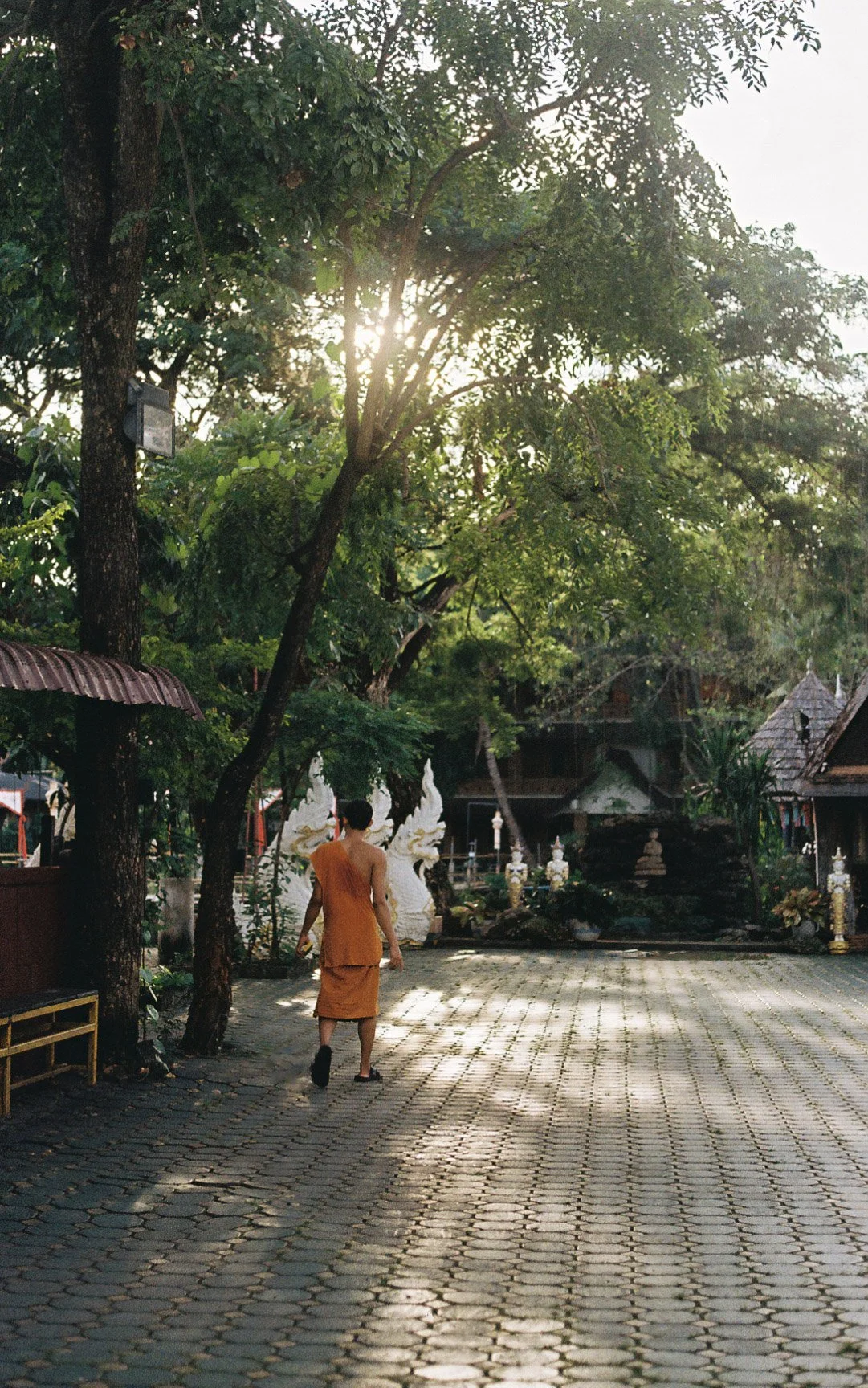
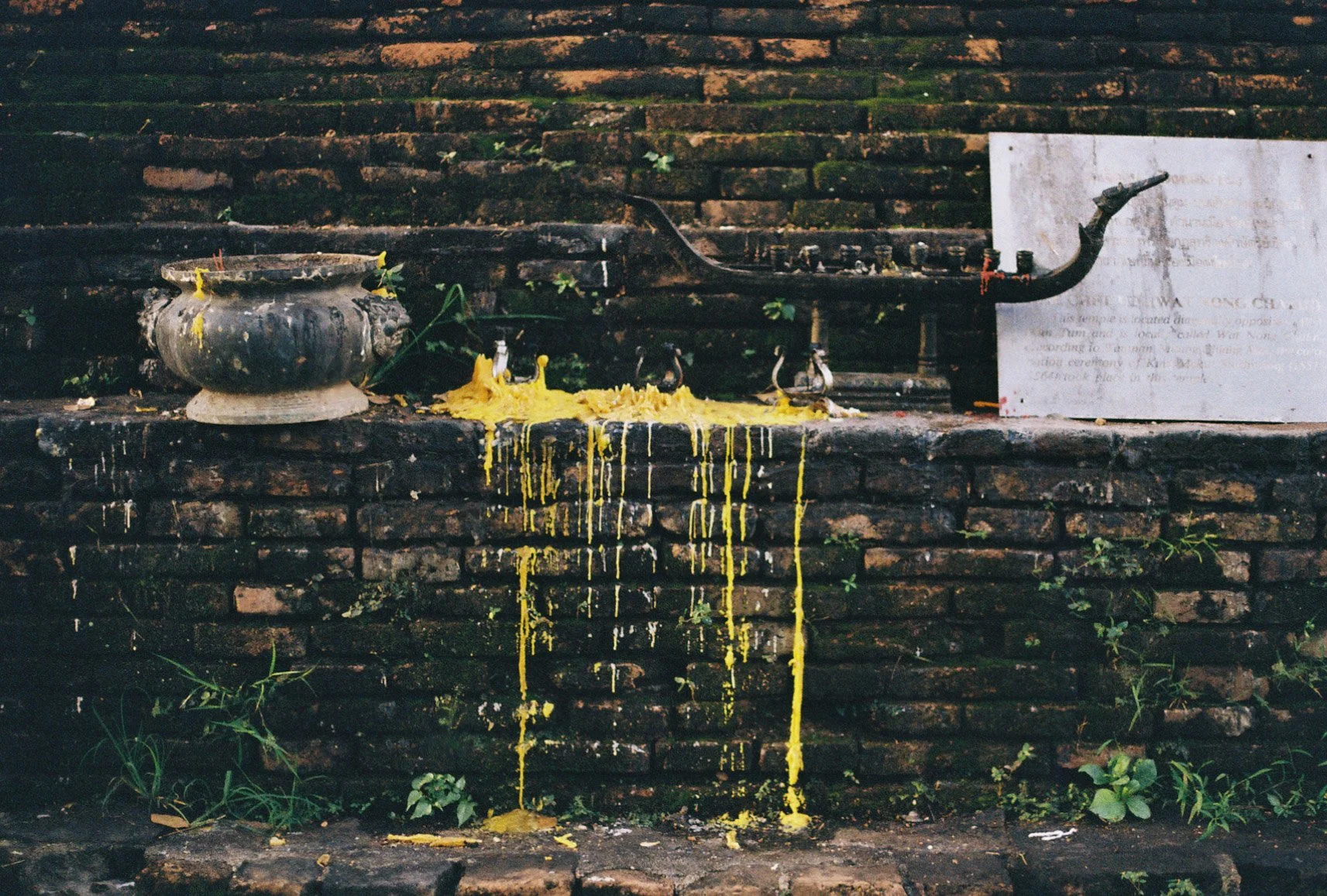
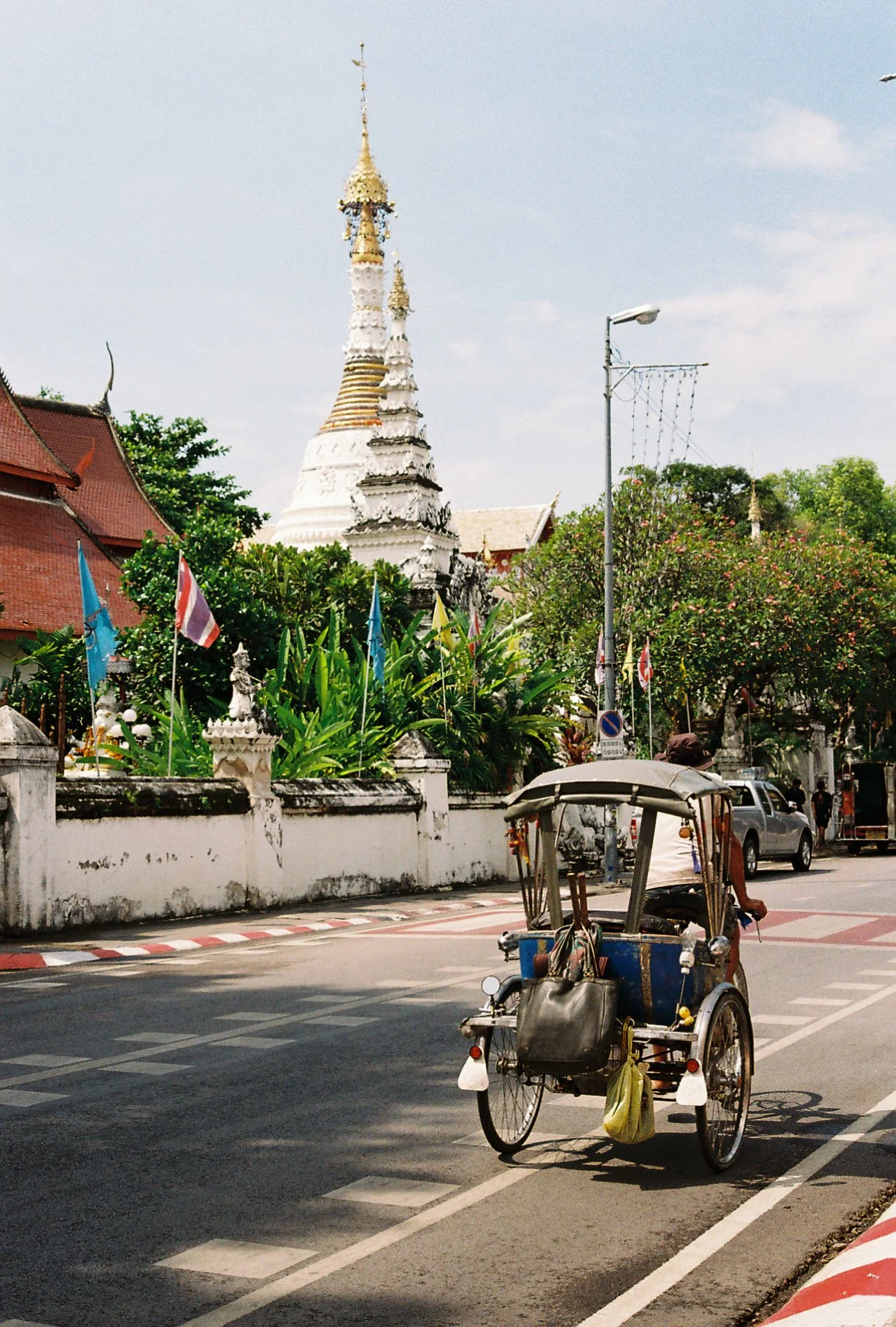
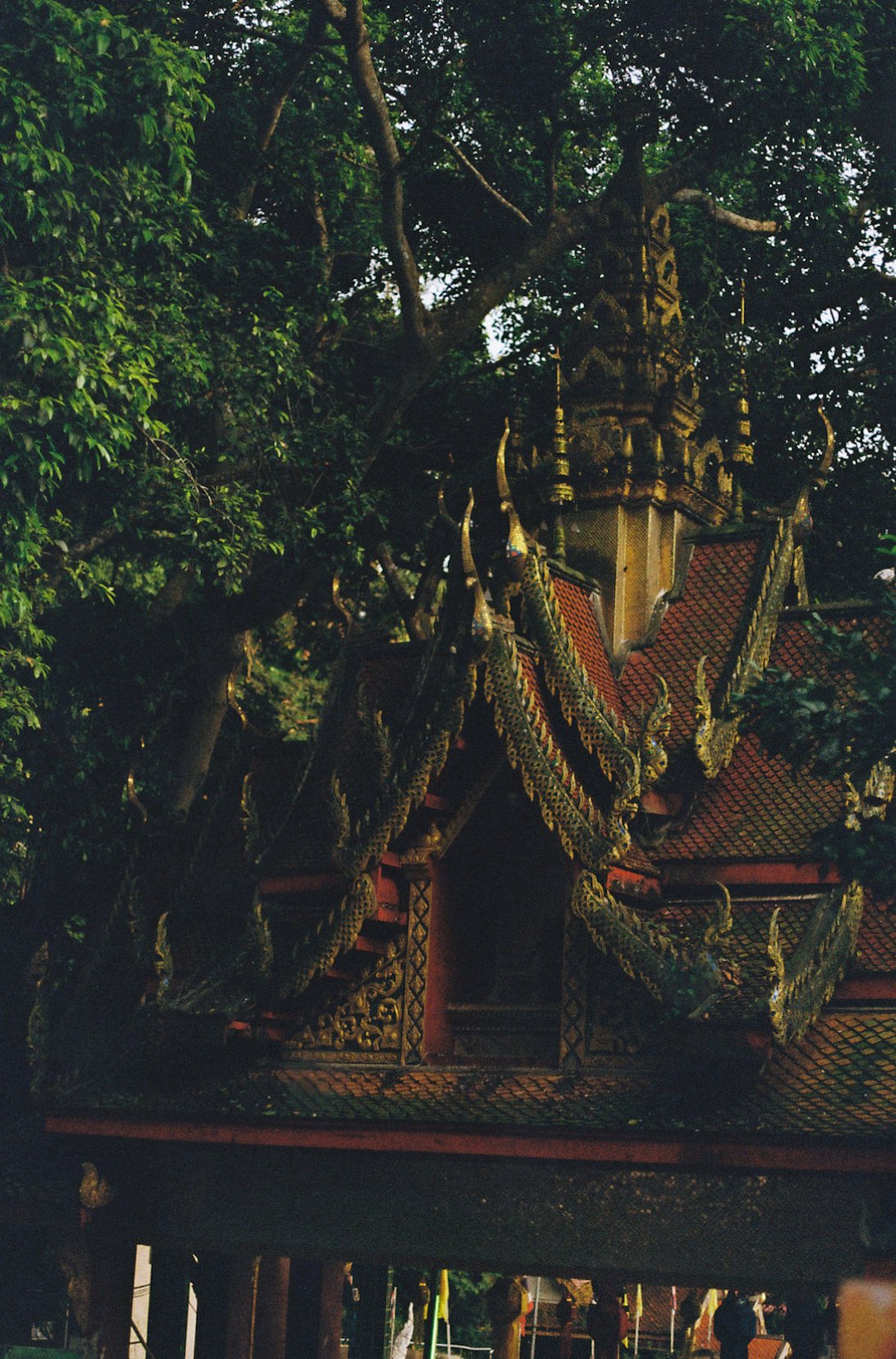
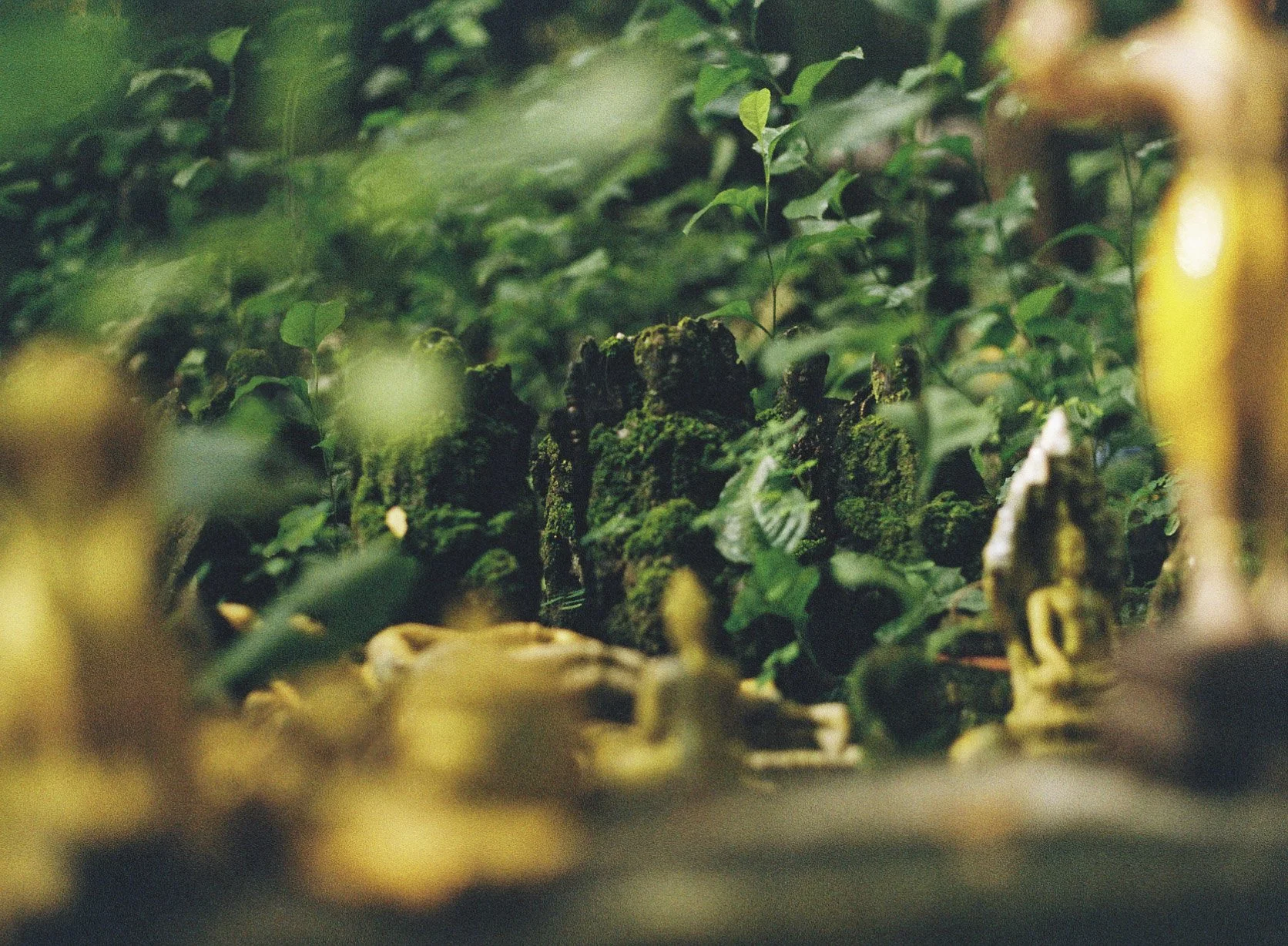
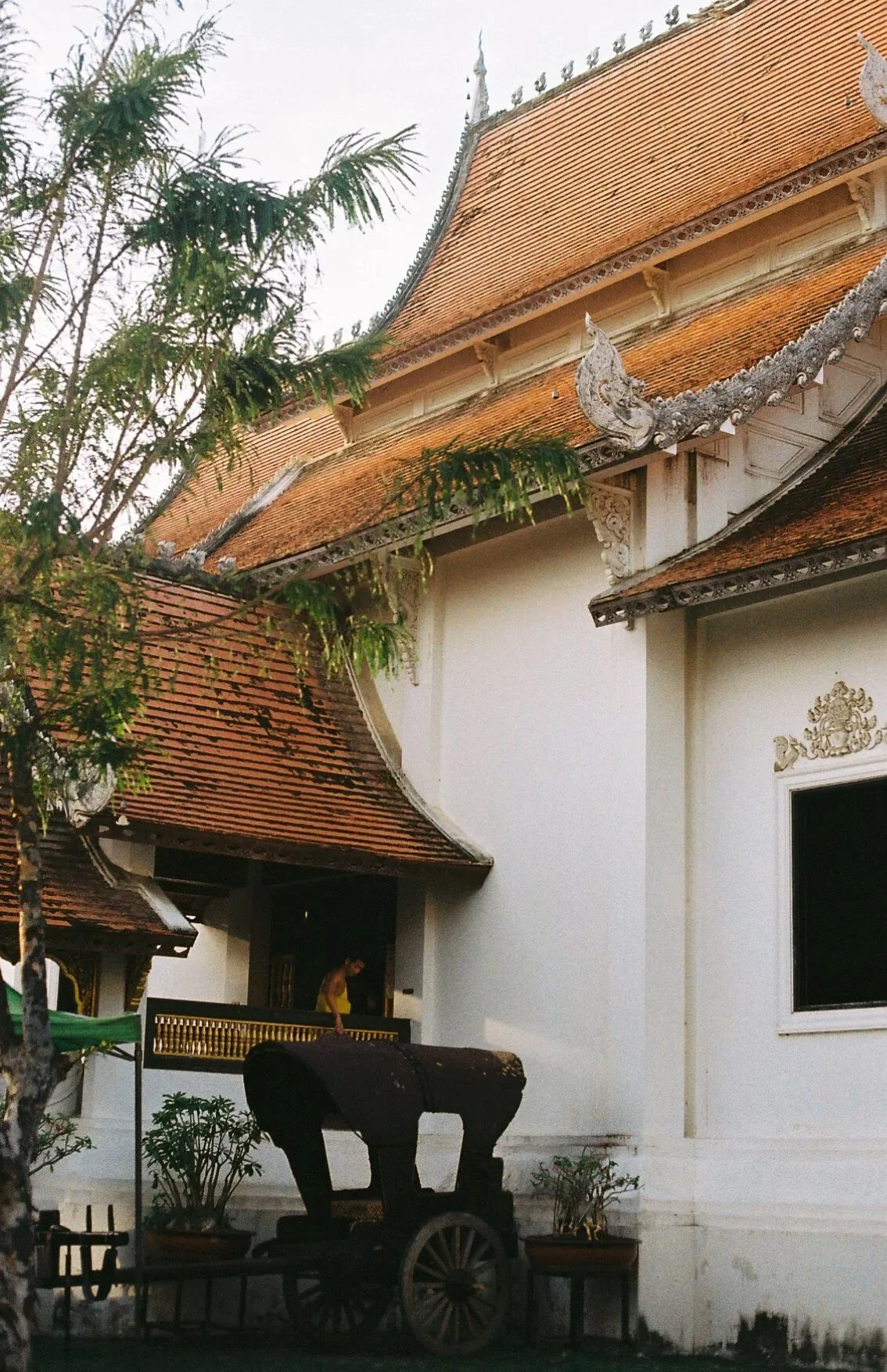
Wats, Thai temples, are synomous to Chiang Mai. Walking through the city, especially the Old Town, you can turn a corner and suddenly find yourself facing a grand golden wat, its roof covered in glazed terracotta or ceramic tiles and topped with chofas, the decorative finials that point gracefully toward the sky. Inside, often built of teak wood, there may be a few chairs, but most of the space is open for sitting on the floor facing rows of Buddhist statues. During the rainy season, or in the hours when the sun was unbearable, I would take the scarf off my head, cover my shoulders, and slip inside to sit quietly, enjoying the occasional breeze drifting through the open windows.
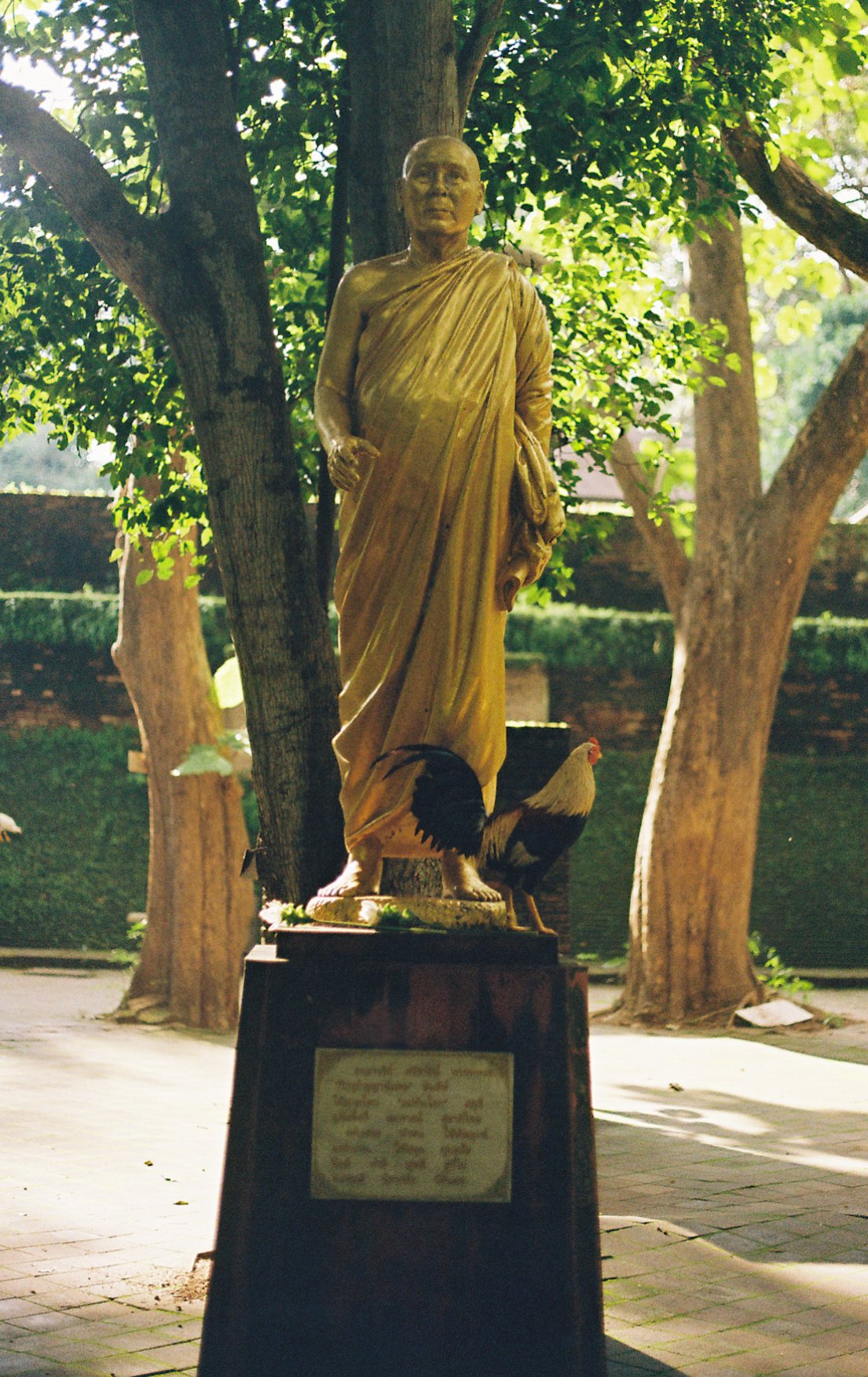
Chiang Mai is home to over 300 elaborate Buddhist temples and thousands of monks, including many women in religious life. The city’s monastic culture is deeply rooted in Theravada Buddhism. Young boys, sometimes as young as 12, often ordain temporarily for education, while older monks devote themselves to meditation, simplicity, and a strict monastic code supported by the local community.
There is also a growing number of female monks, even though women cannot officially be ordained as monks in Thailand due to a ban imposed by the Supreme Sangha Council in 1928. Some Thai women, however, defy this restriction by becoming fully ordained bhikkhunis (female monks) or by living as mae chi (white-robed nuns), challenging the male-dominated clergy in pursuit of spiritual equality.