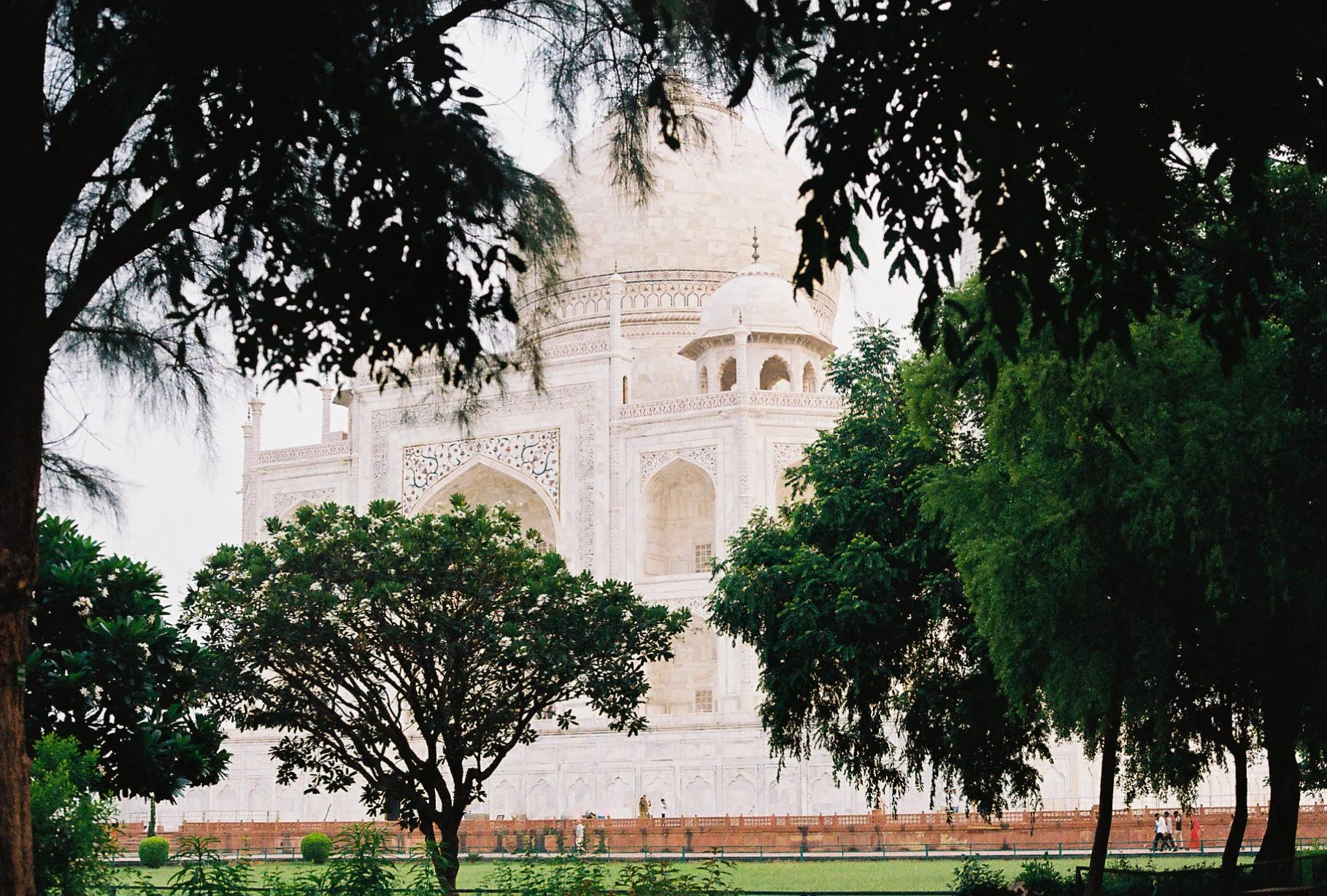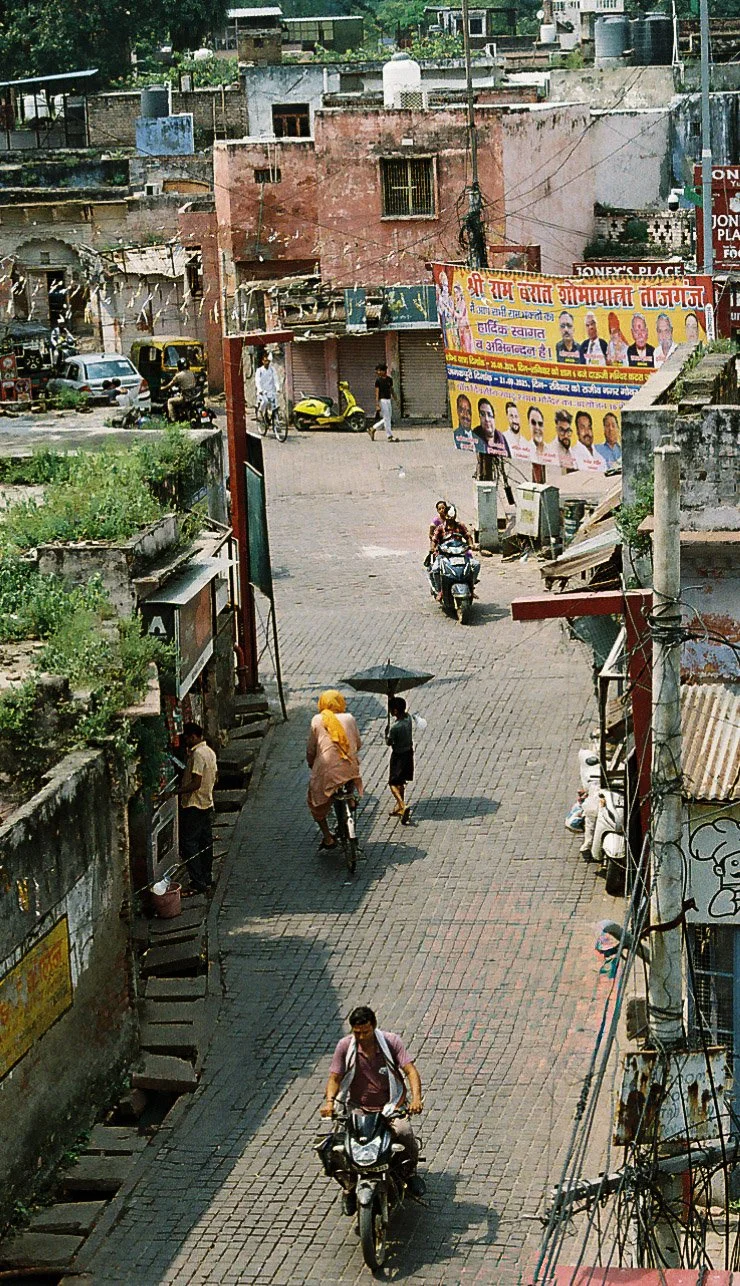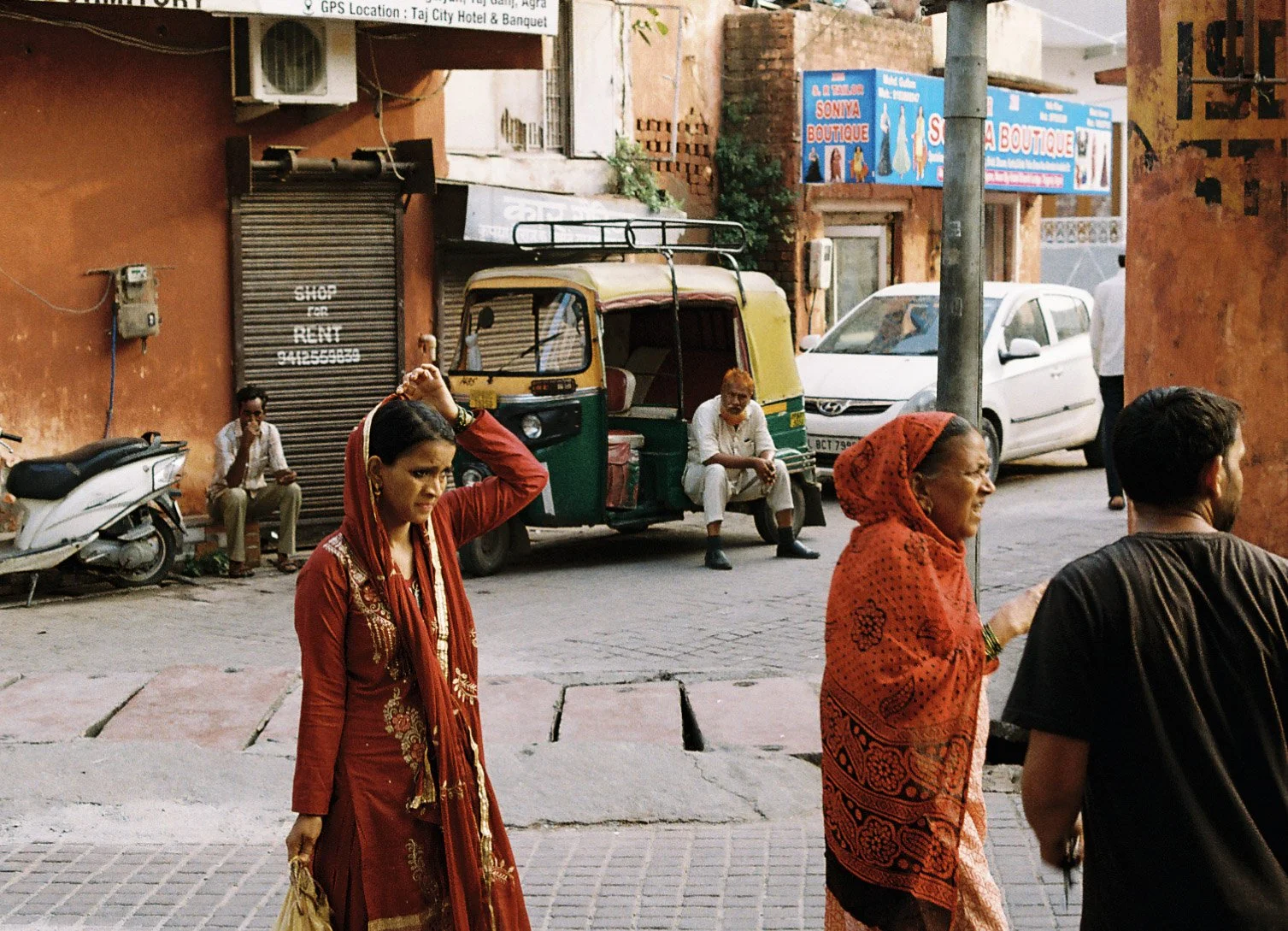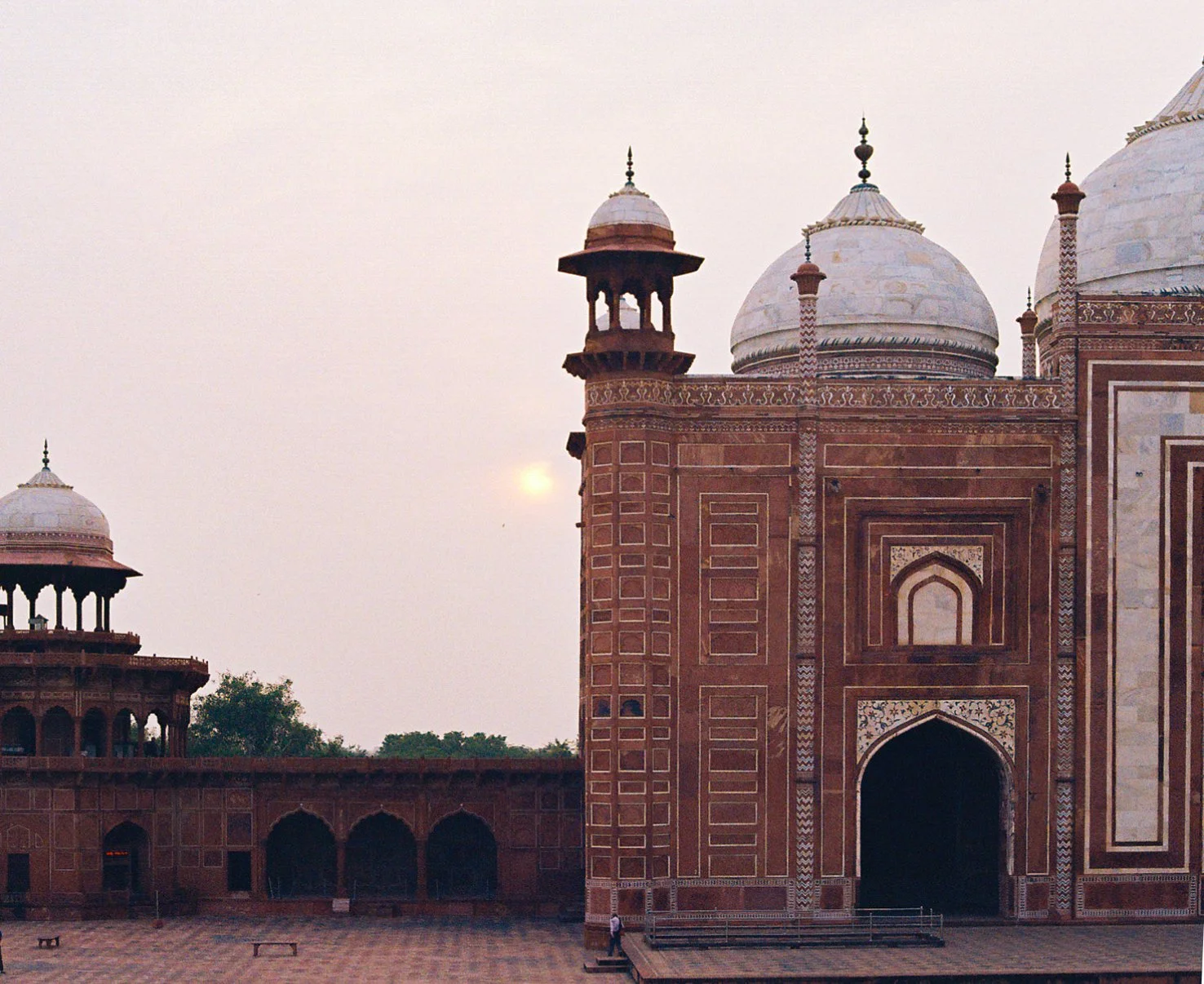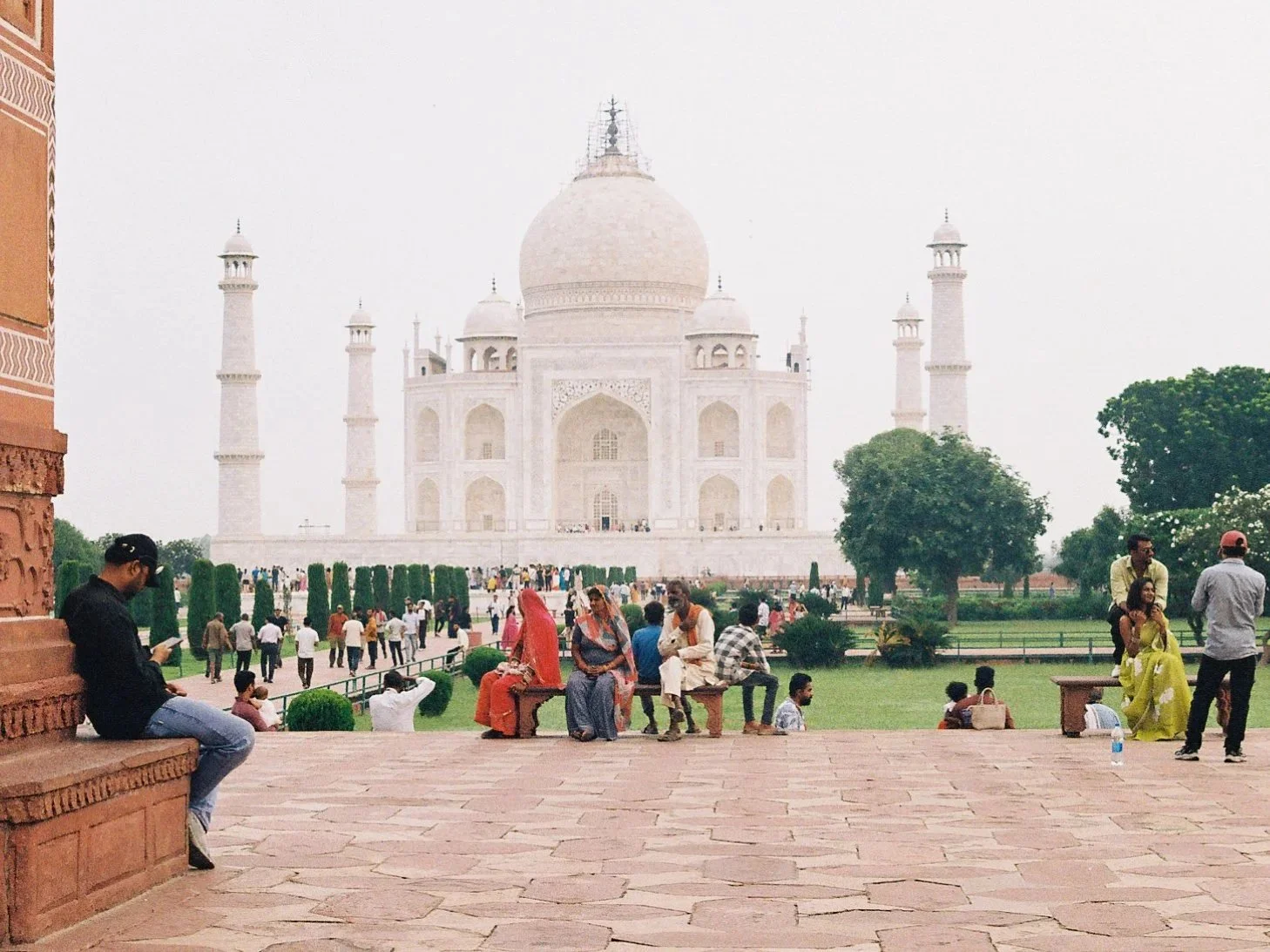
Agra is home to some of India’s most iconic Mughal-era monuments, including the Taj Mahal, Agra Fort, and Fatehpur Sikri. With a history spanning more than 2,500 years, the city is now a key transport hub and a center for leather goods, cut stone, and handwoven carpets. Tourism remains the backbone of the local economy, a reality made clear along the main road, where tuk-tuk drivers call out with promises of a “good price” and restaurant owners beckon passersby inside. The intensity can be overwhelming.
It is often said that the Red Fort and the Taj Mahal stand as extraordinary testaments to a long-gone civilization. Yet with nearly half of Agra’s population living in underserved settlements, the disconnect is hard to ignore. Millions of tourists pour in each year, and still many residents face significant challenges.
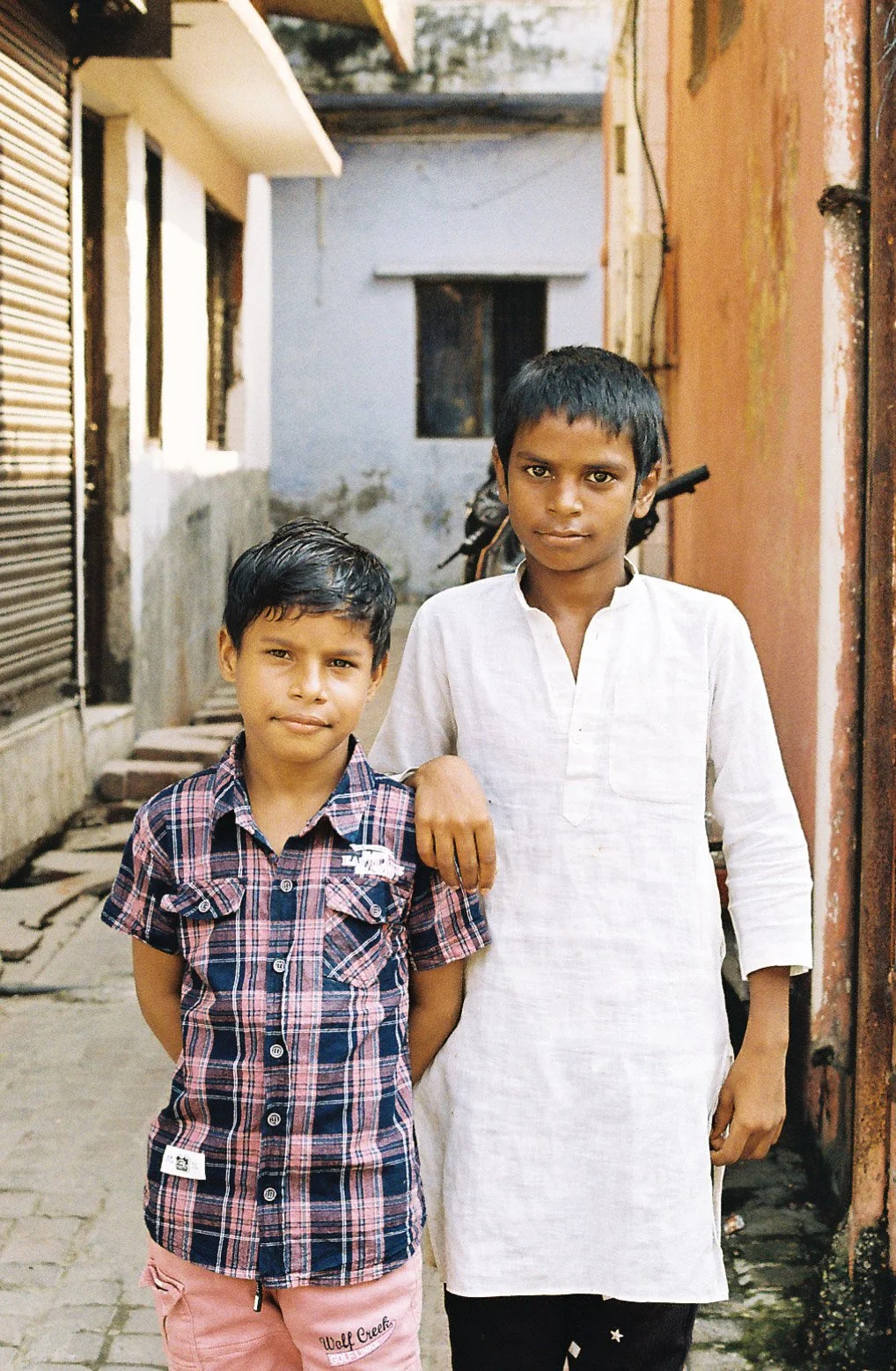
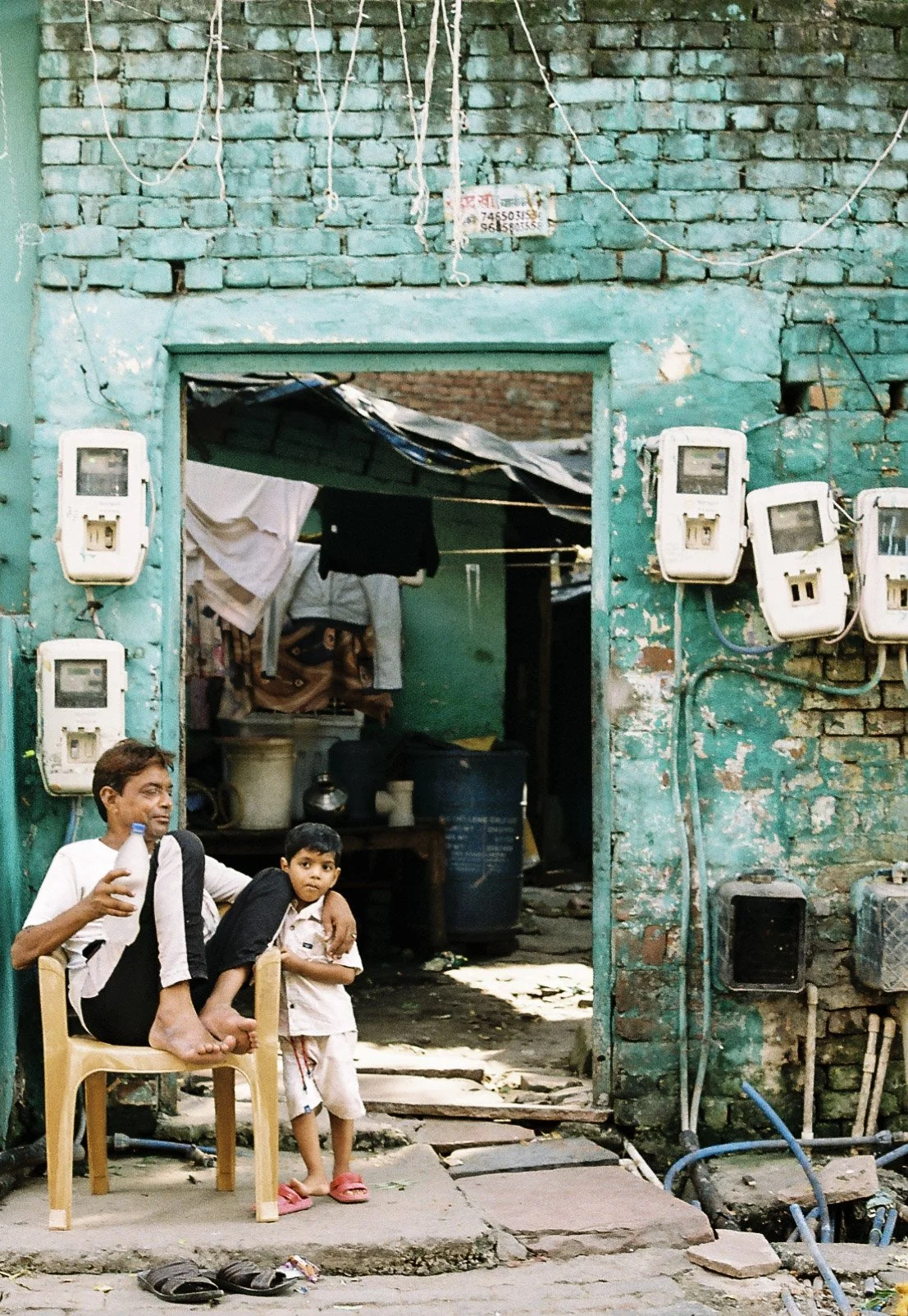
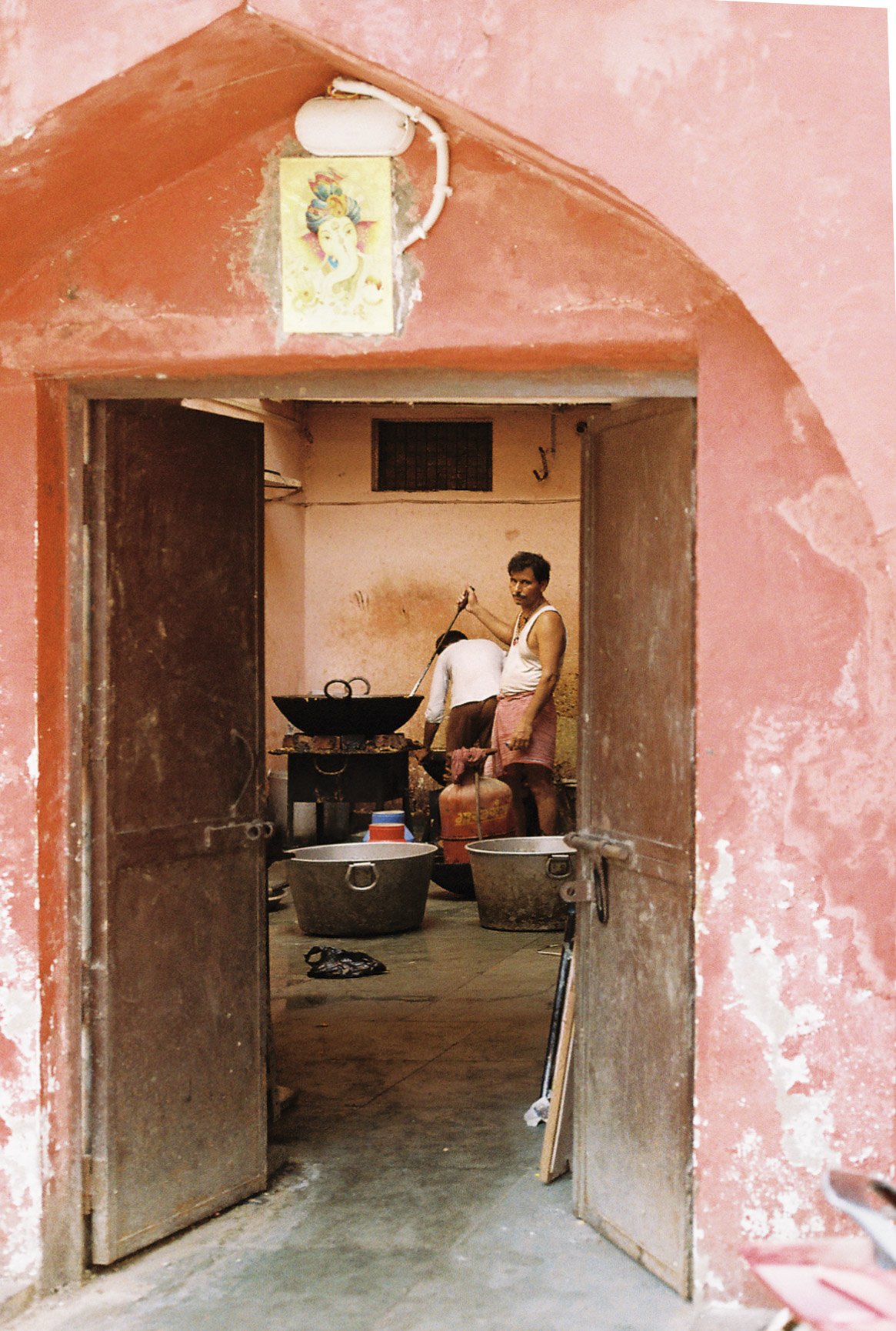
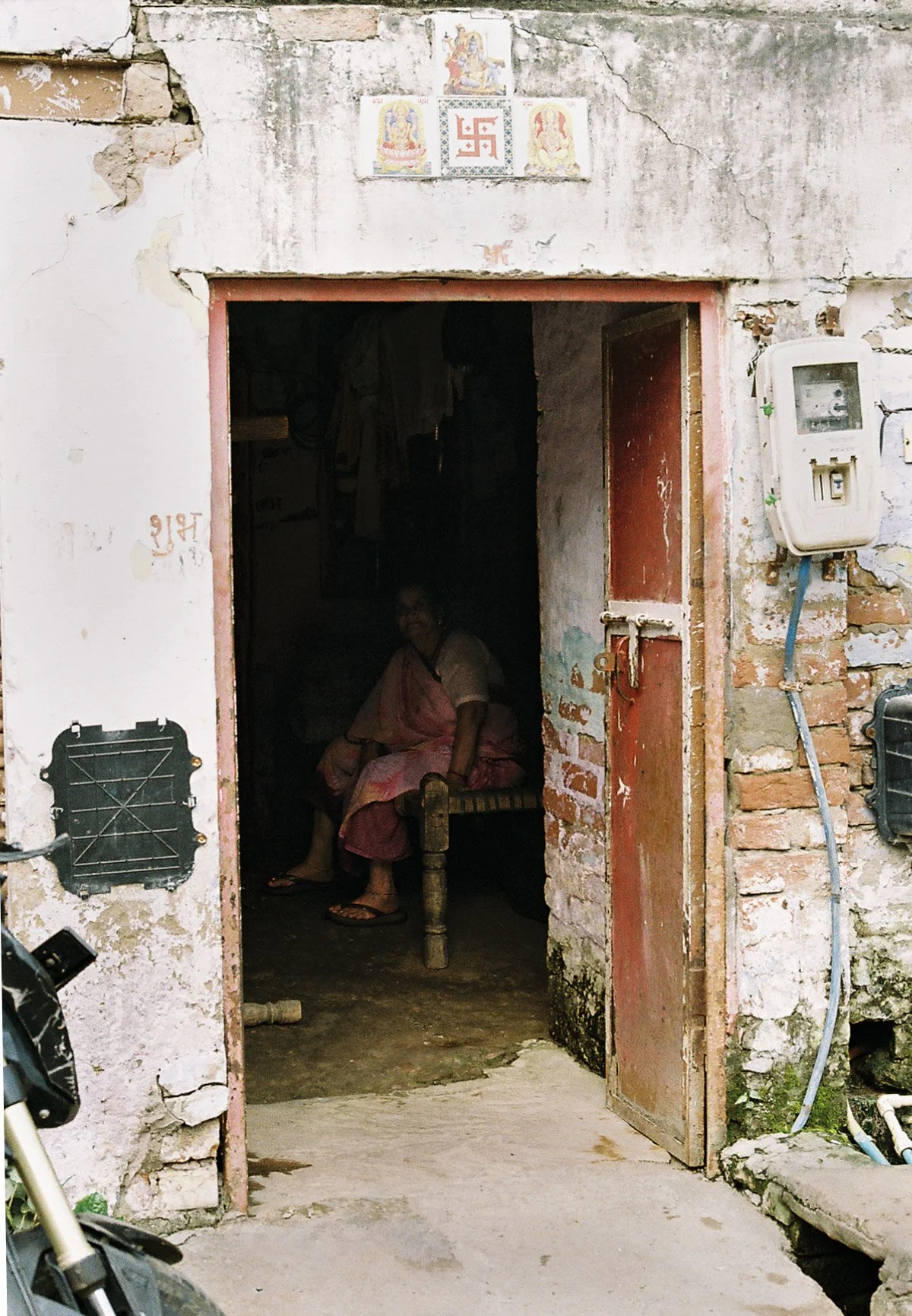
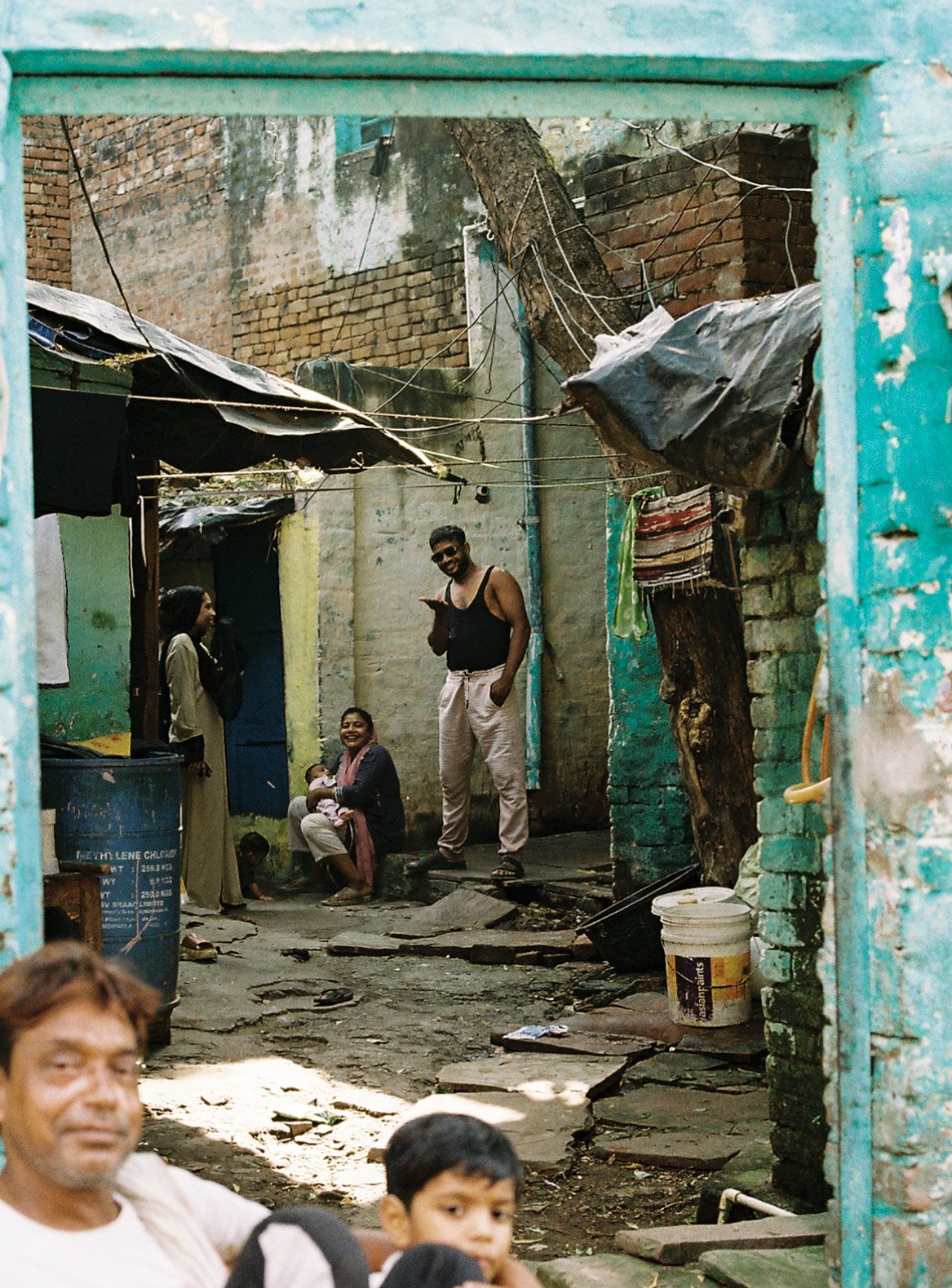
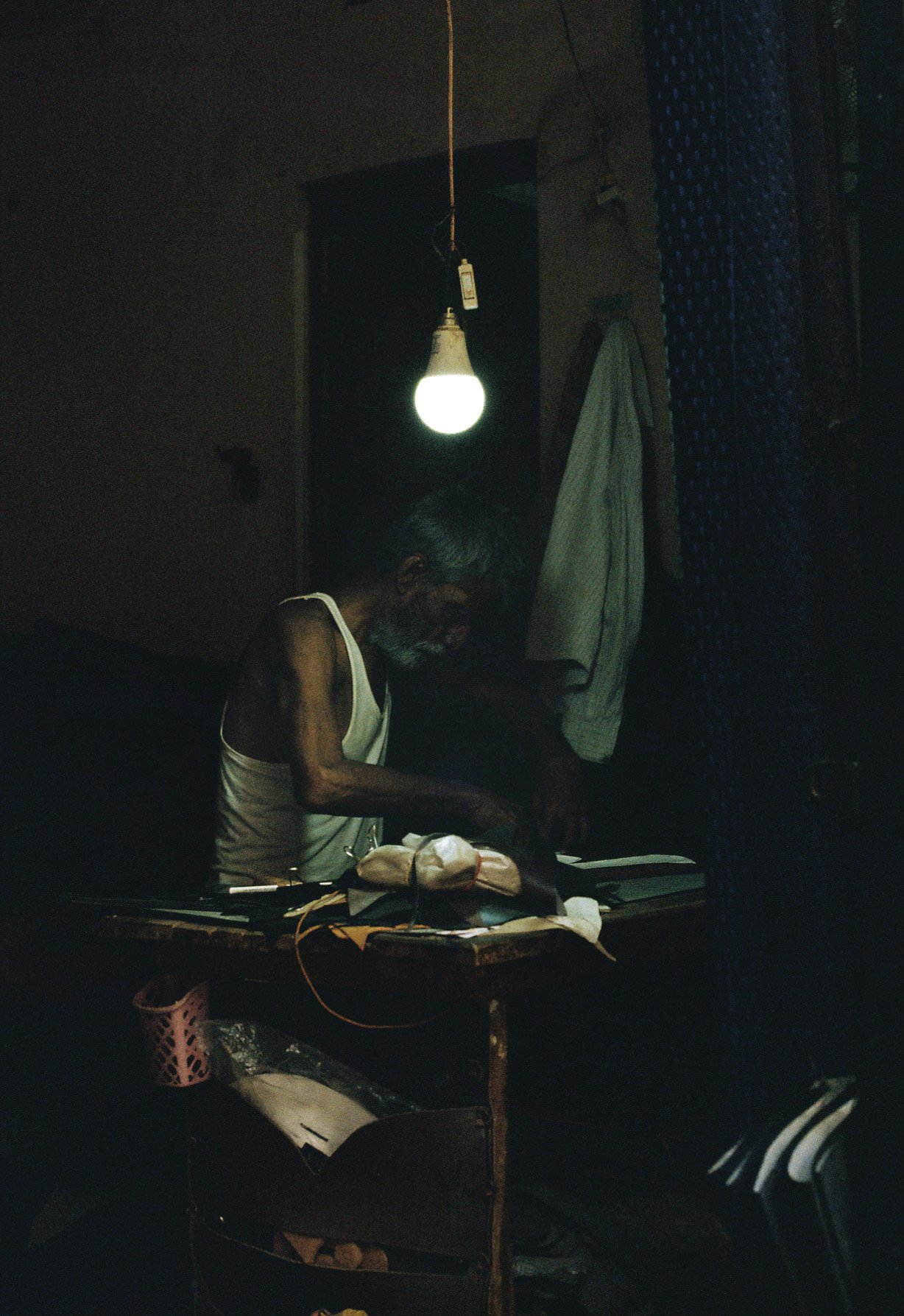
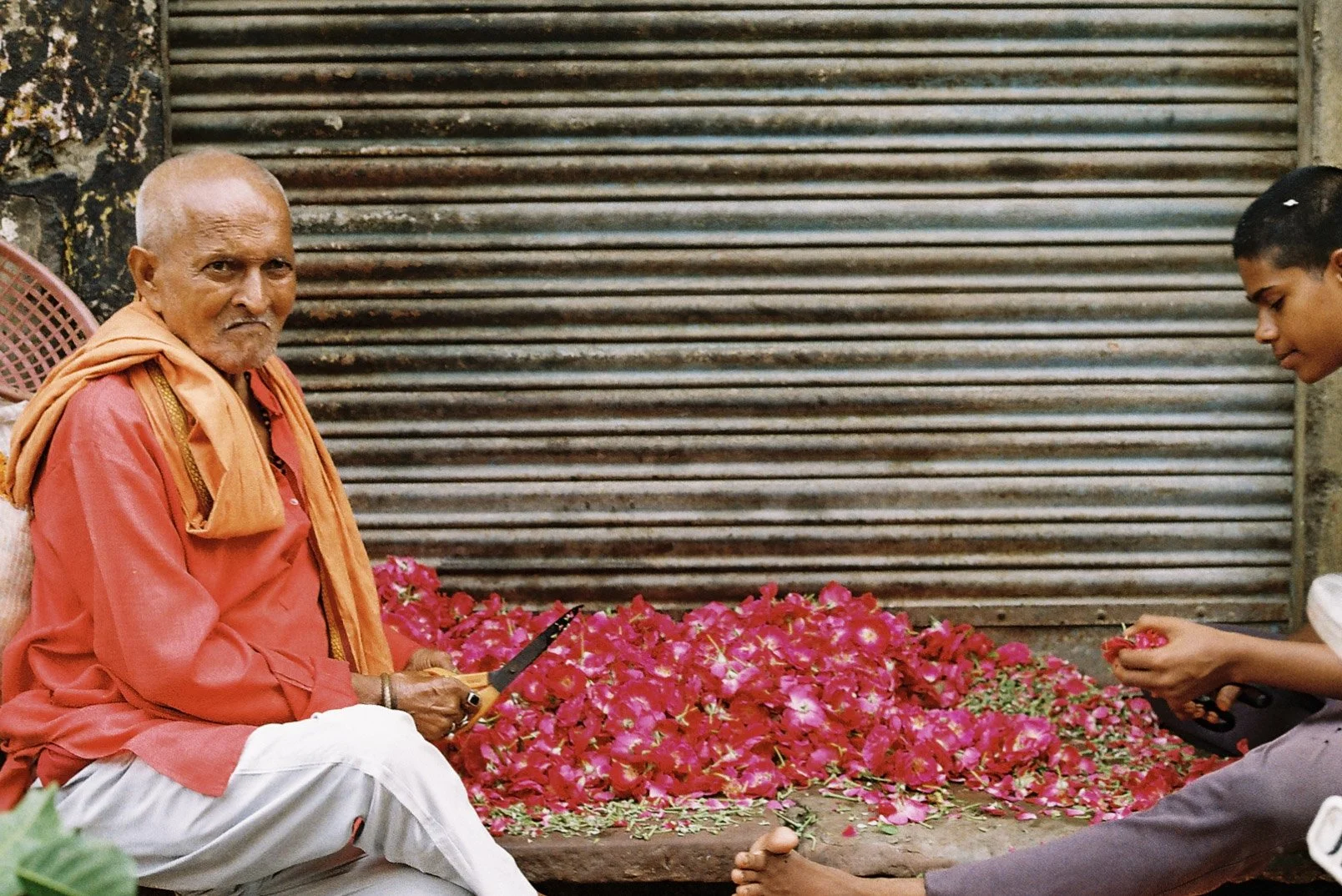
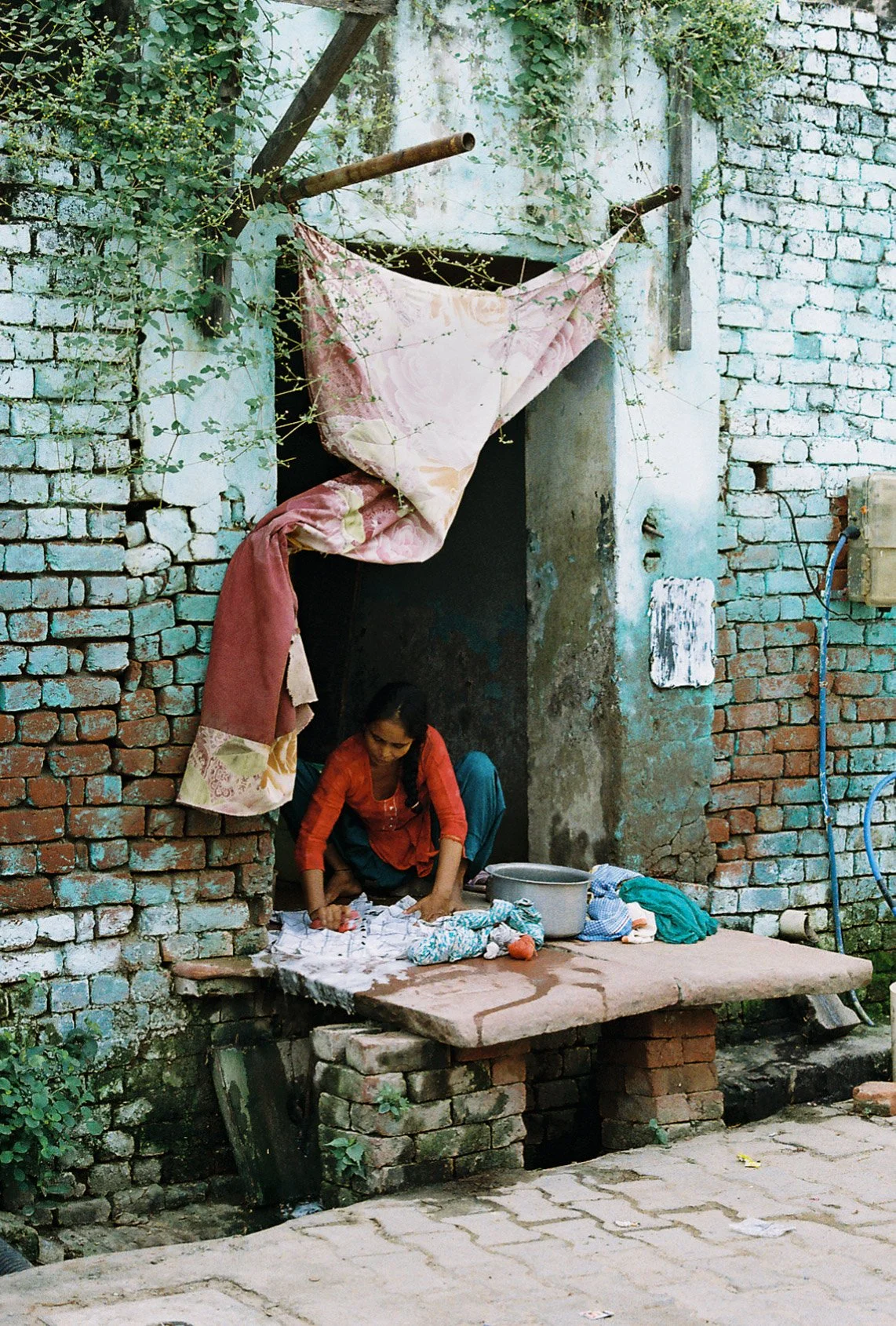
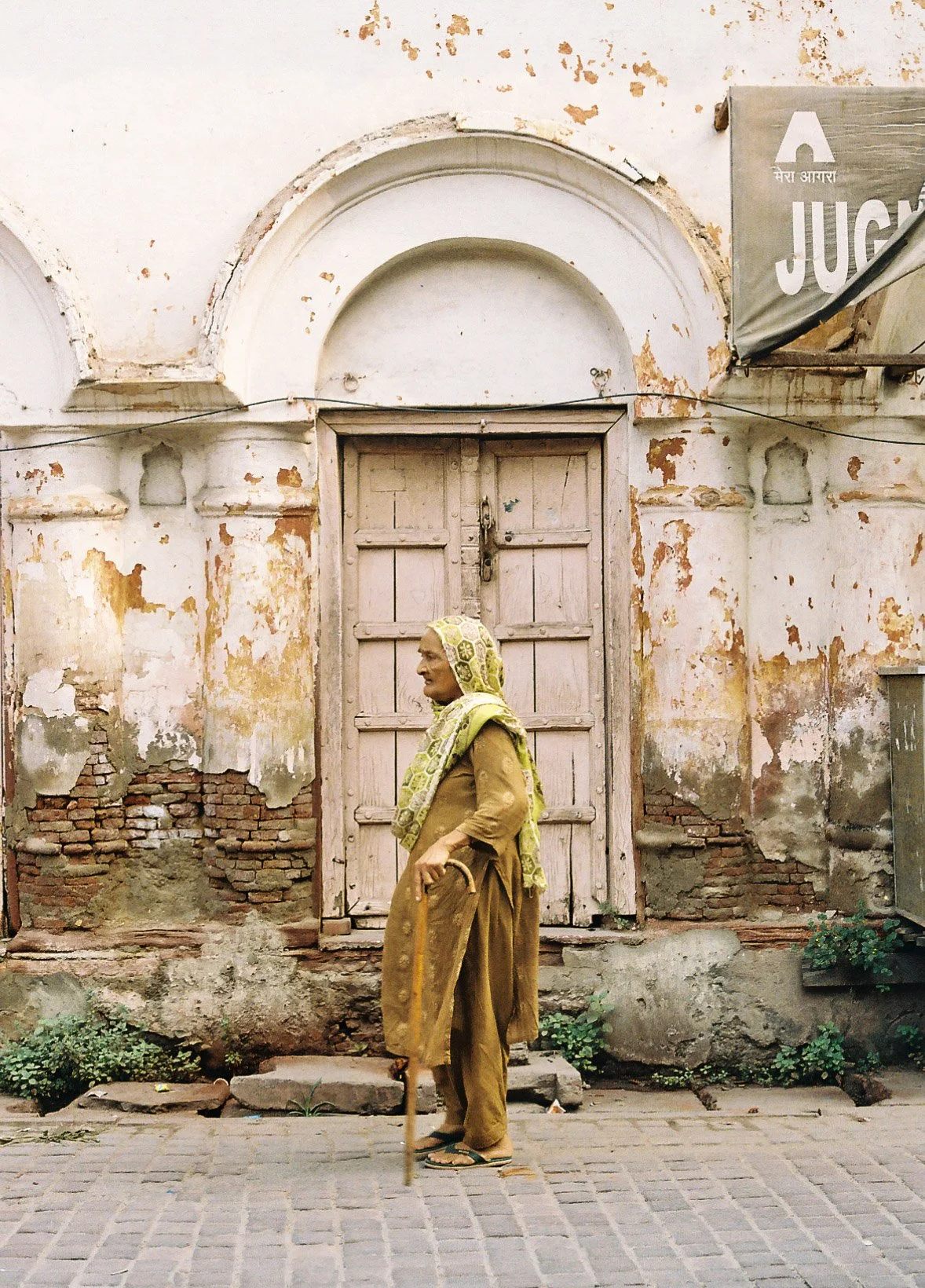
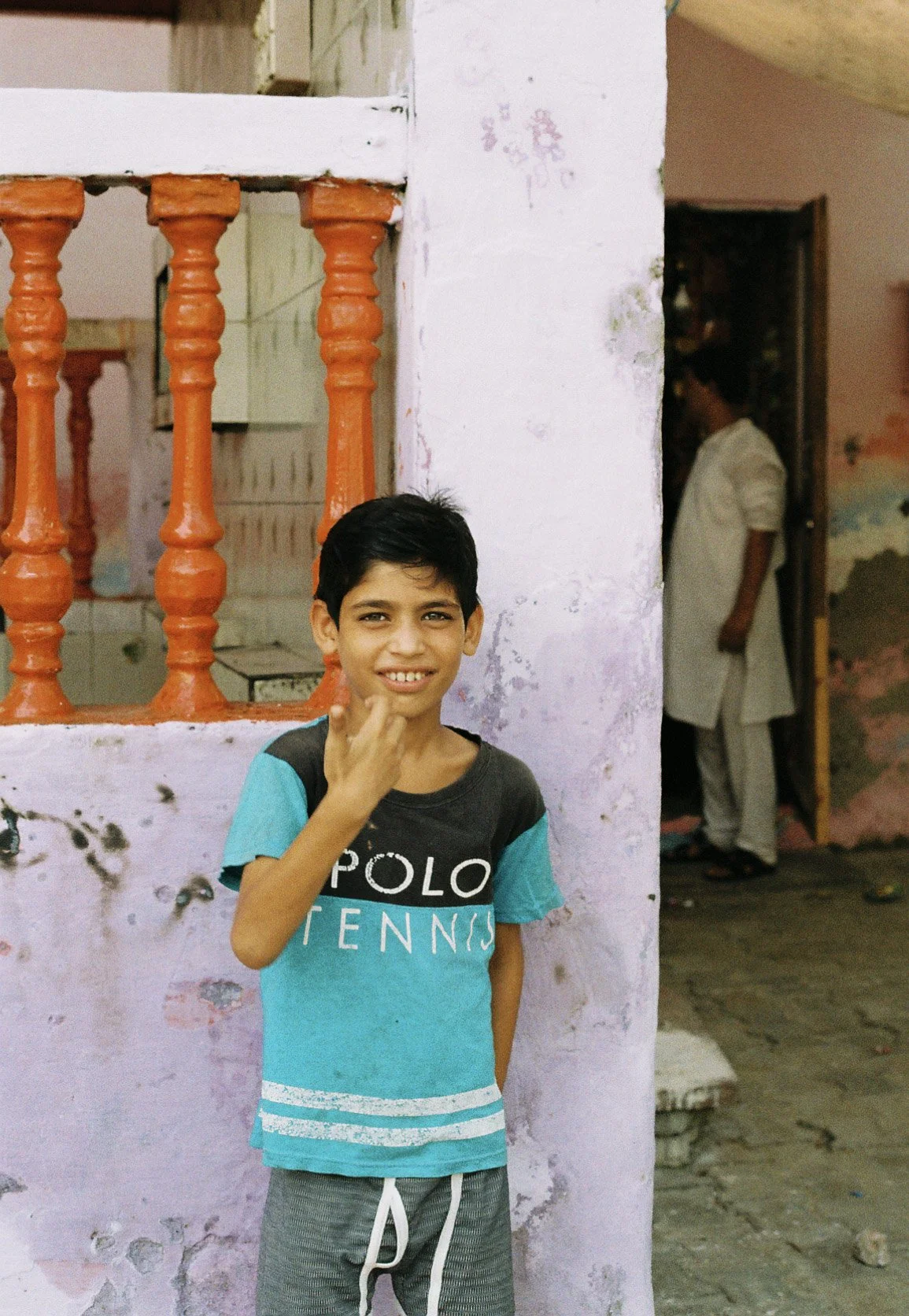
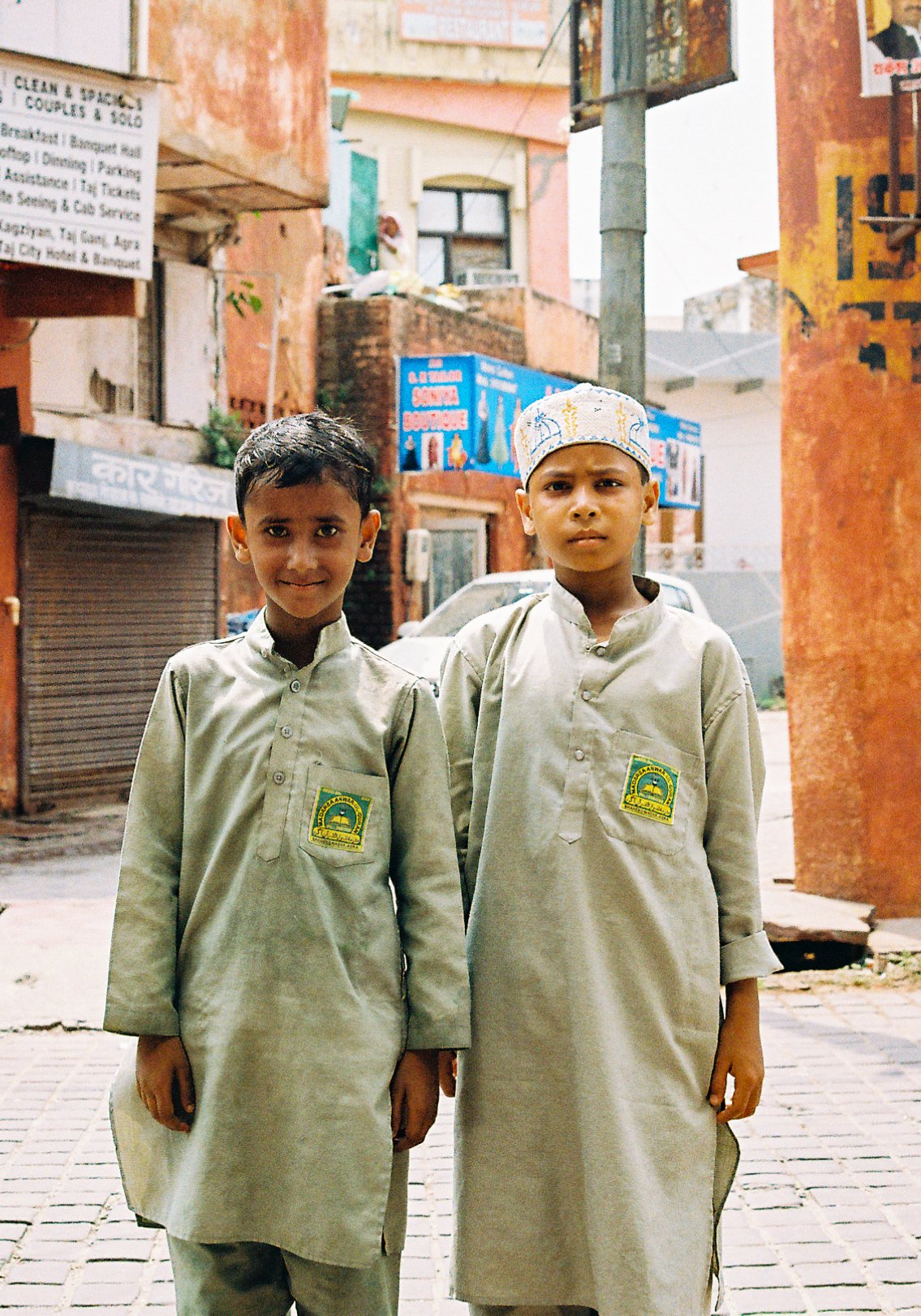
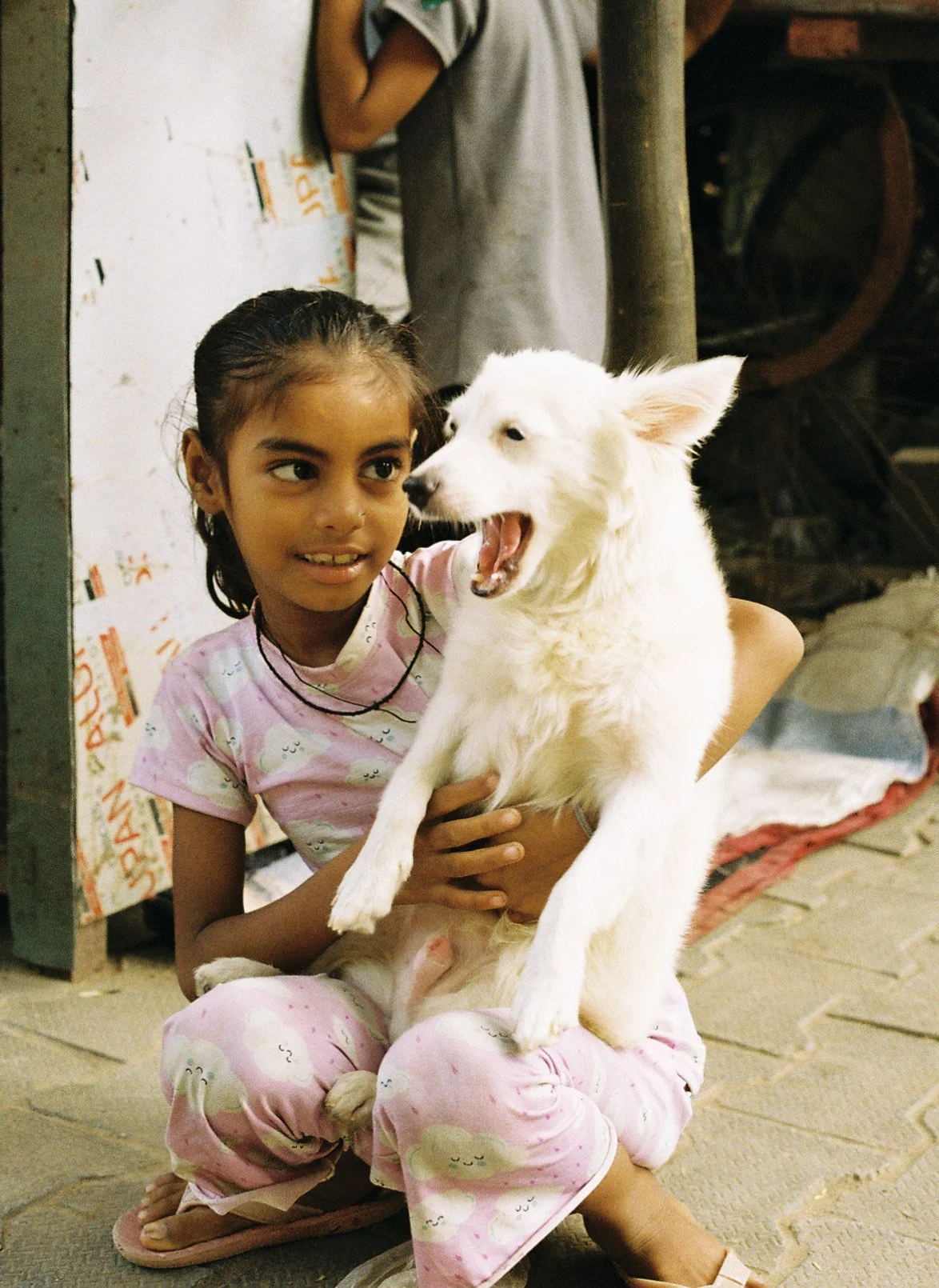
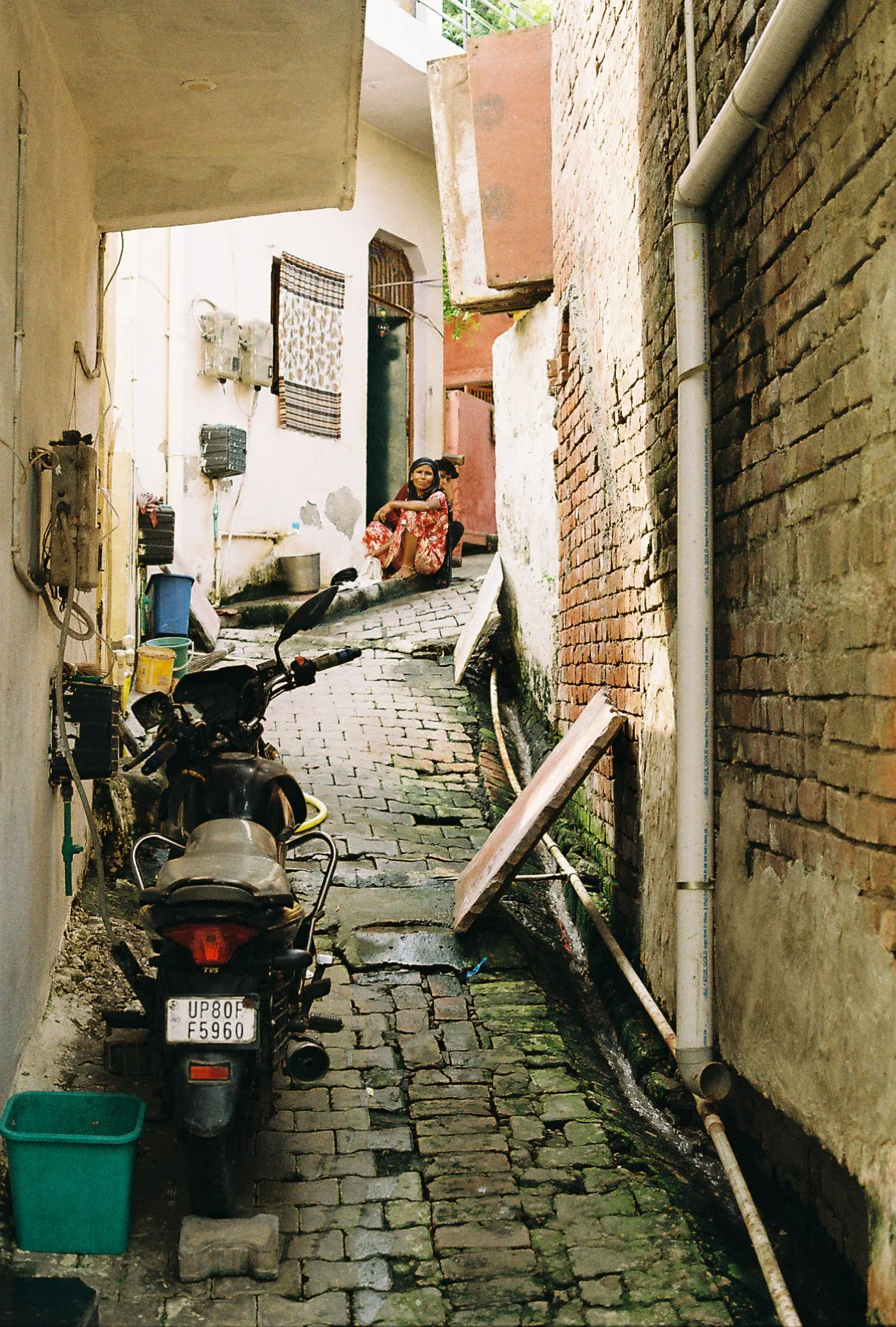
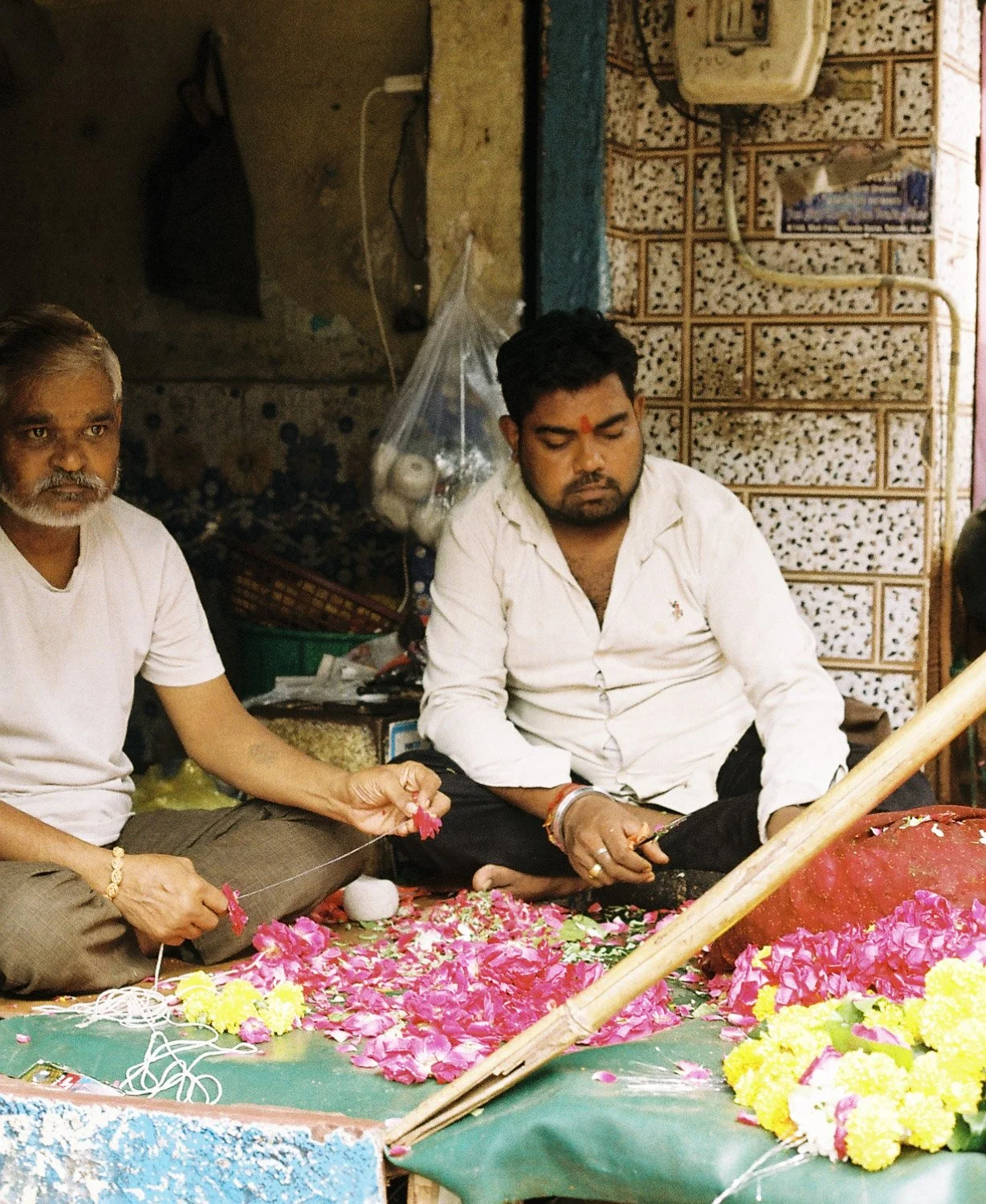
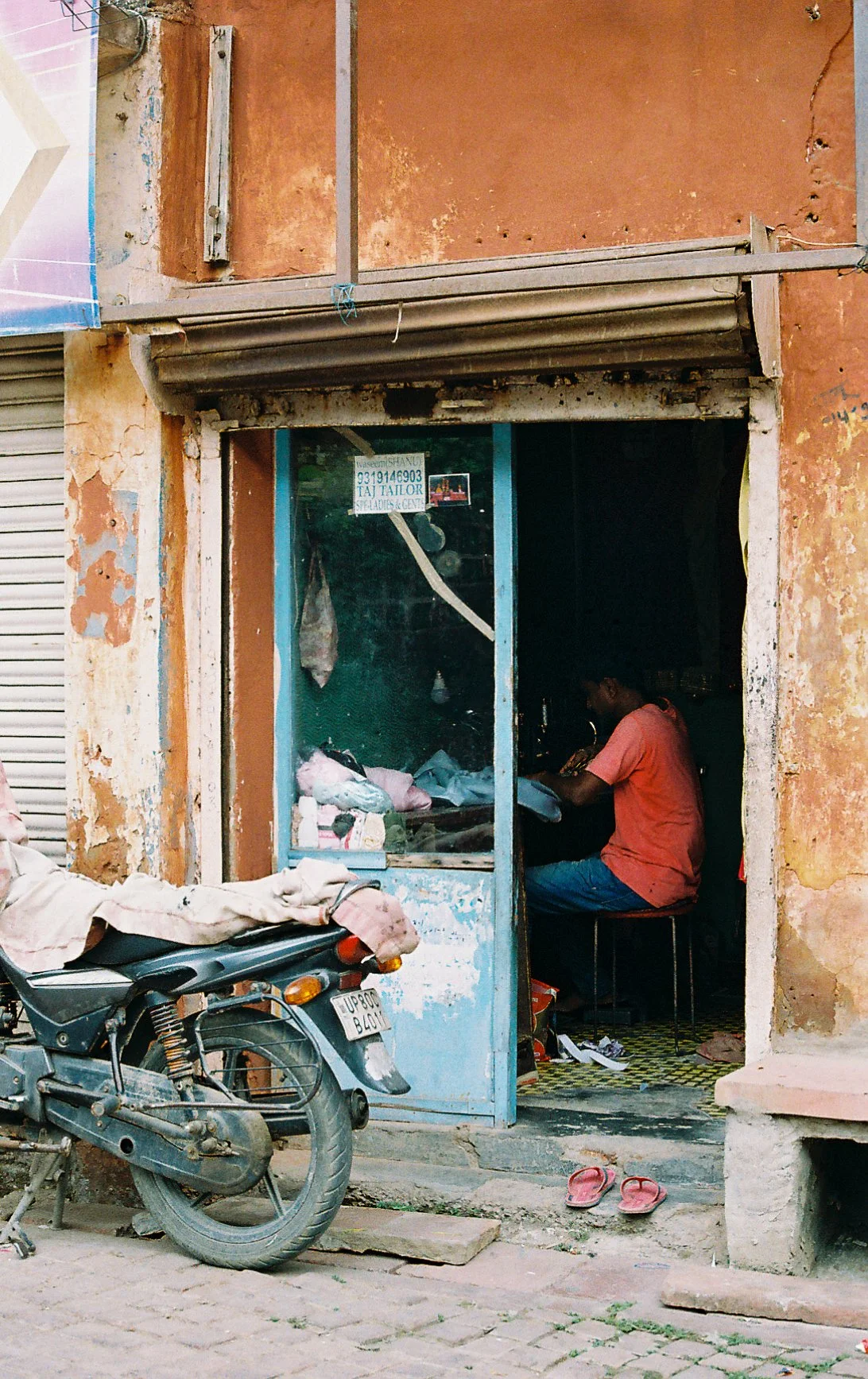
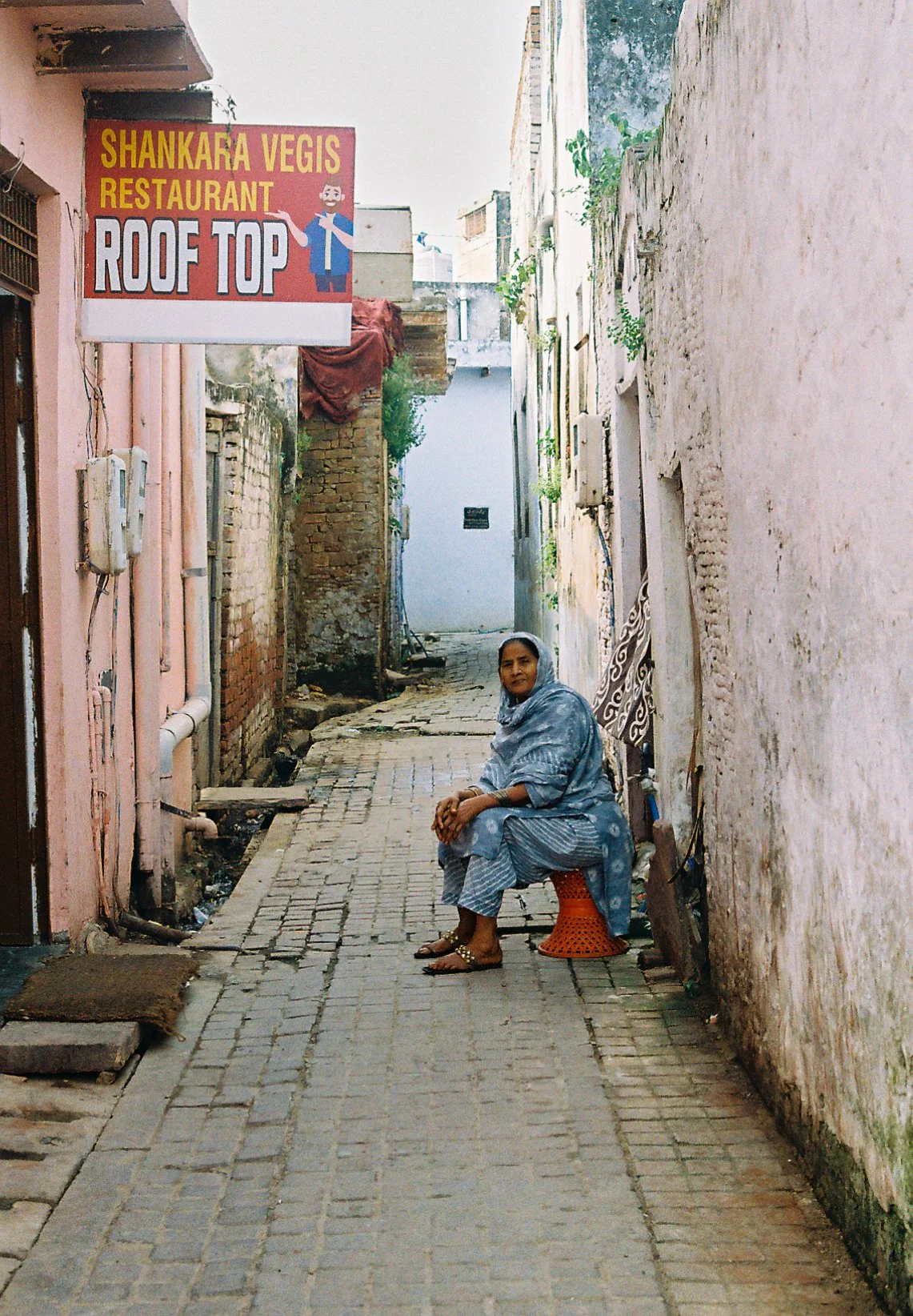
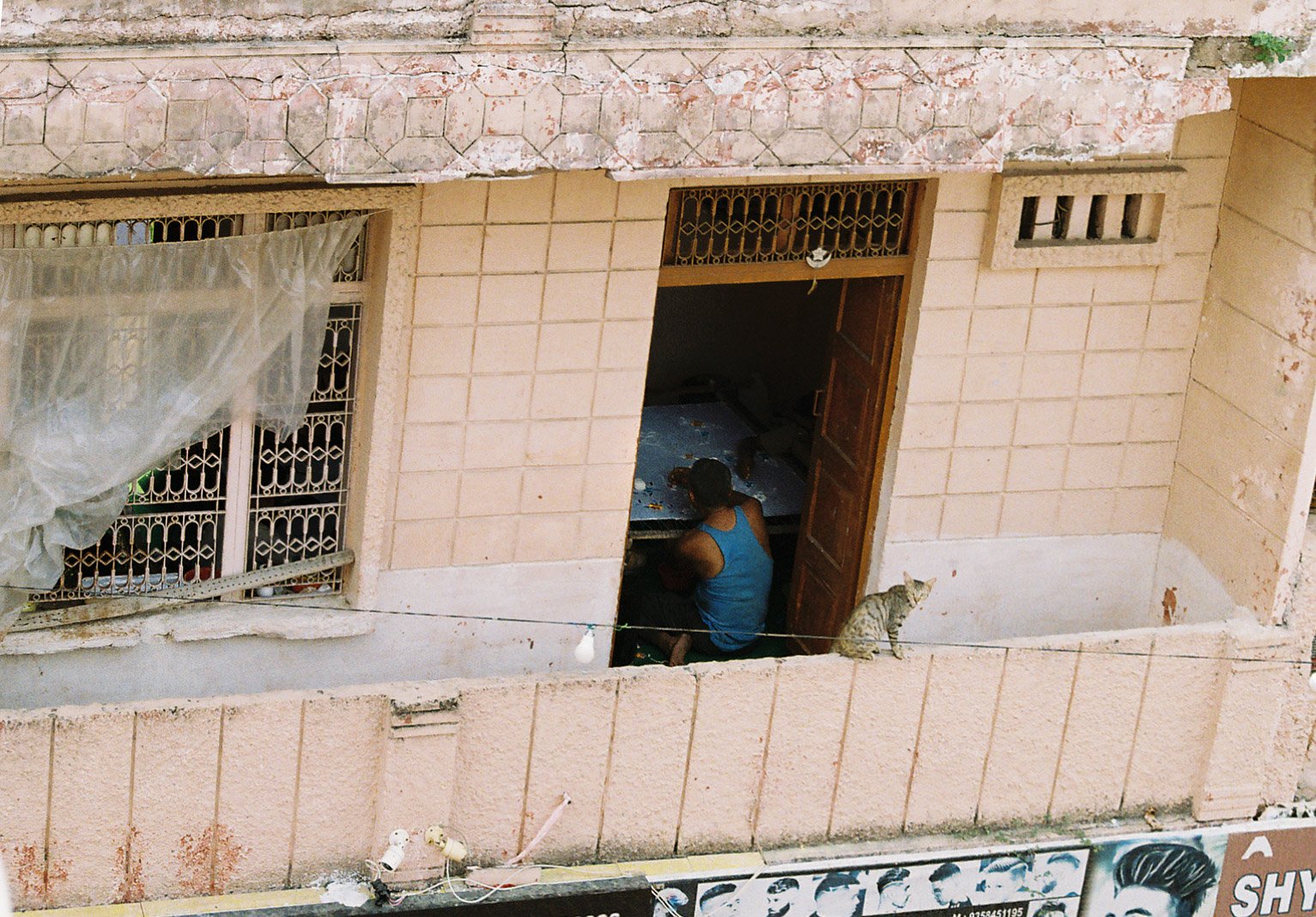
In the early mornings, as the city slowly wakes, I wandered into neighborhoods away from the main road. The older areas surrounding the city lend Agra a charm that is difficult to put into words. In narrow alleys, artisans hand-stitched leather shoes, women washed clothes, and children I had met the day before played a simple stone game. It felt as though I had stepped into another time.
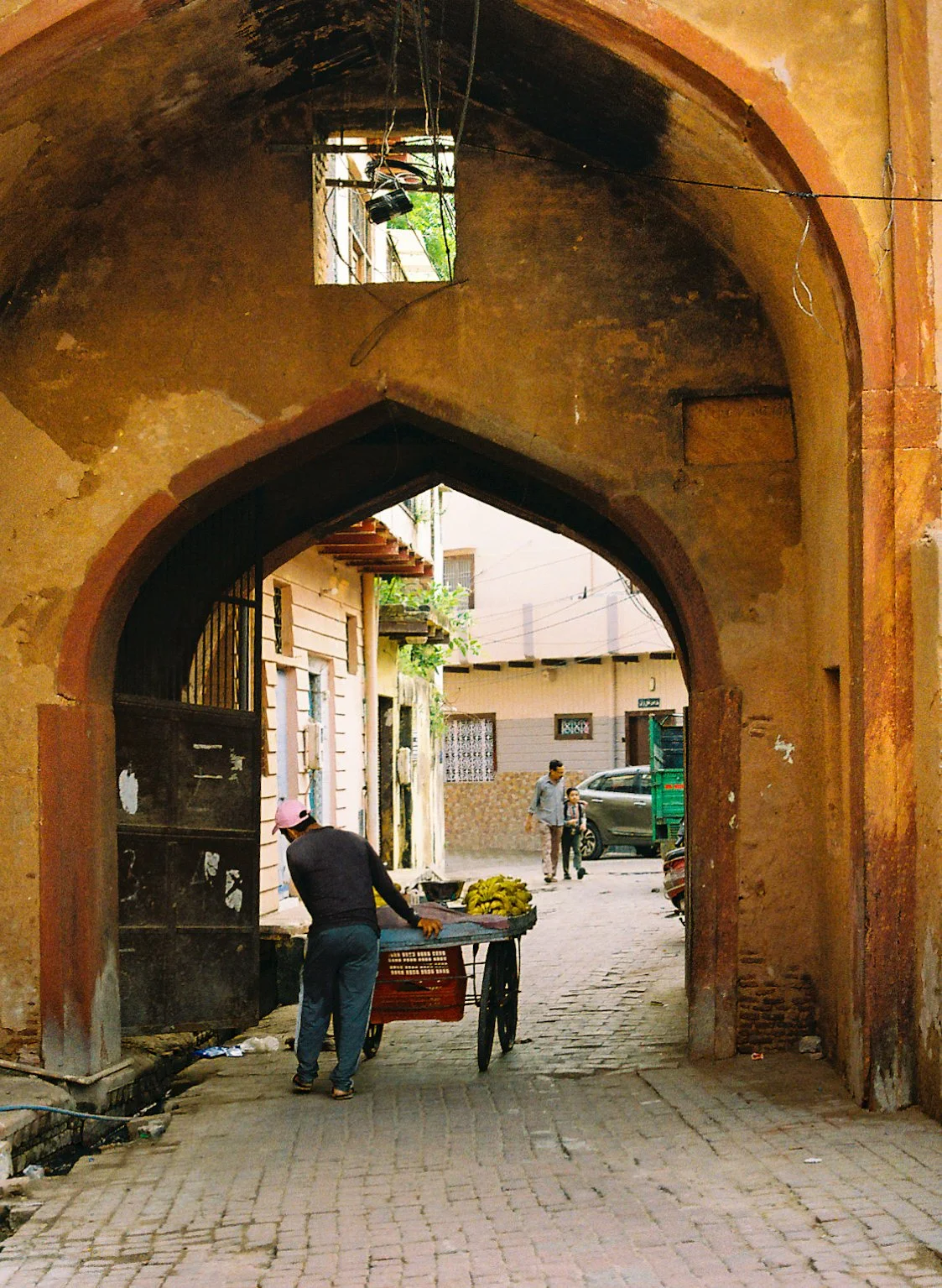
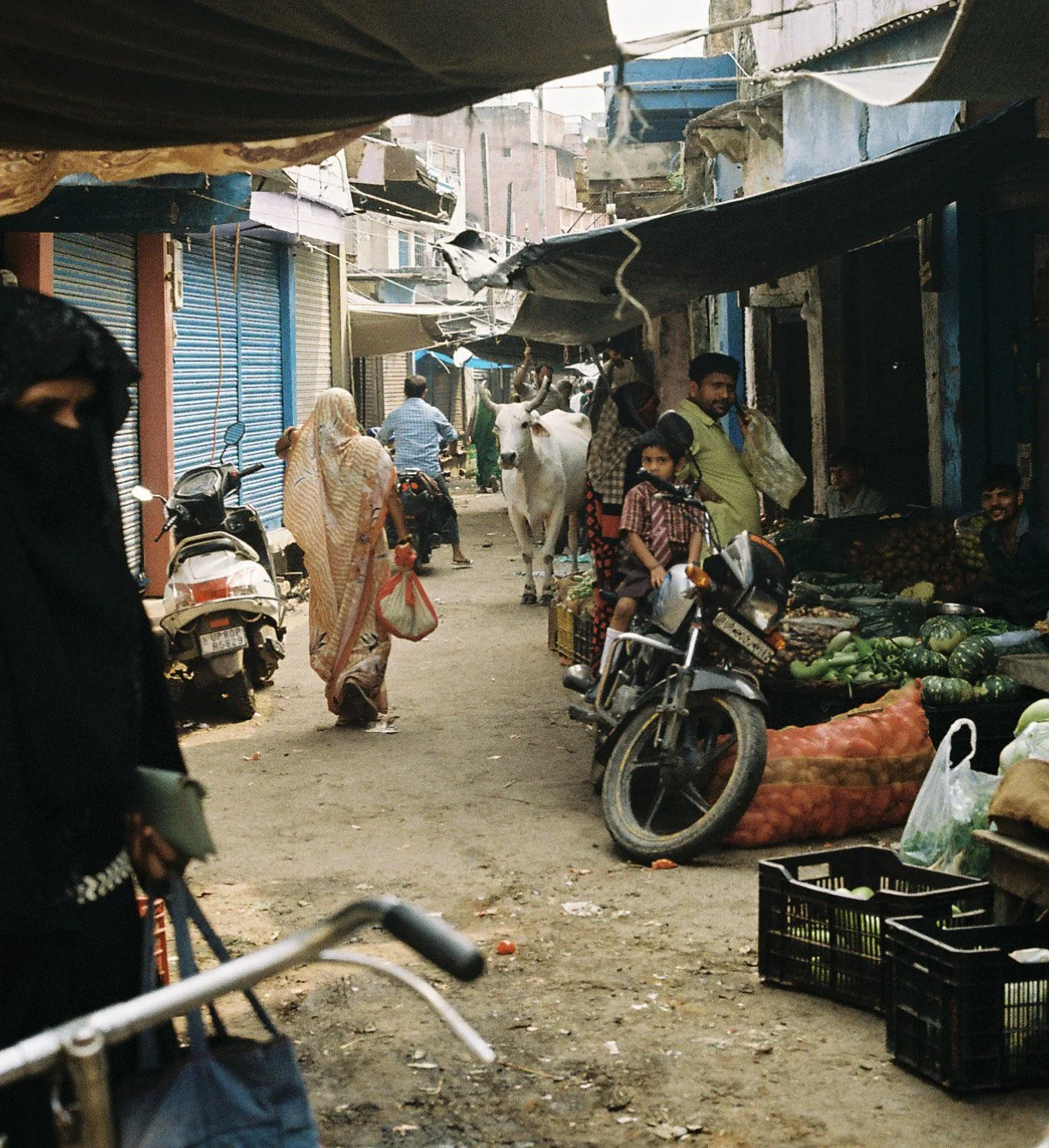
During one walk, I ran into a local restaurant owner I’d befriended the day before. He took me to the makeshift vegetable market where he sourced his produce, vendors laying their goods out on crates. On our walk back to the main road, he pointed out old buildings and forgotten structures I might have otherwise missed.
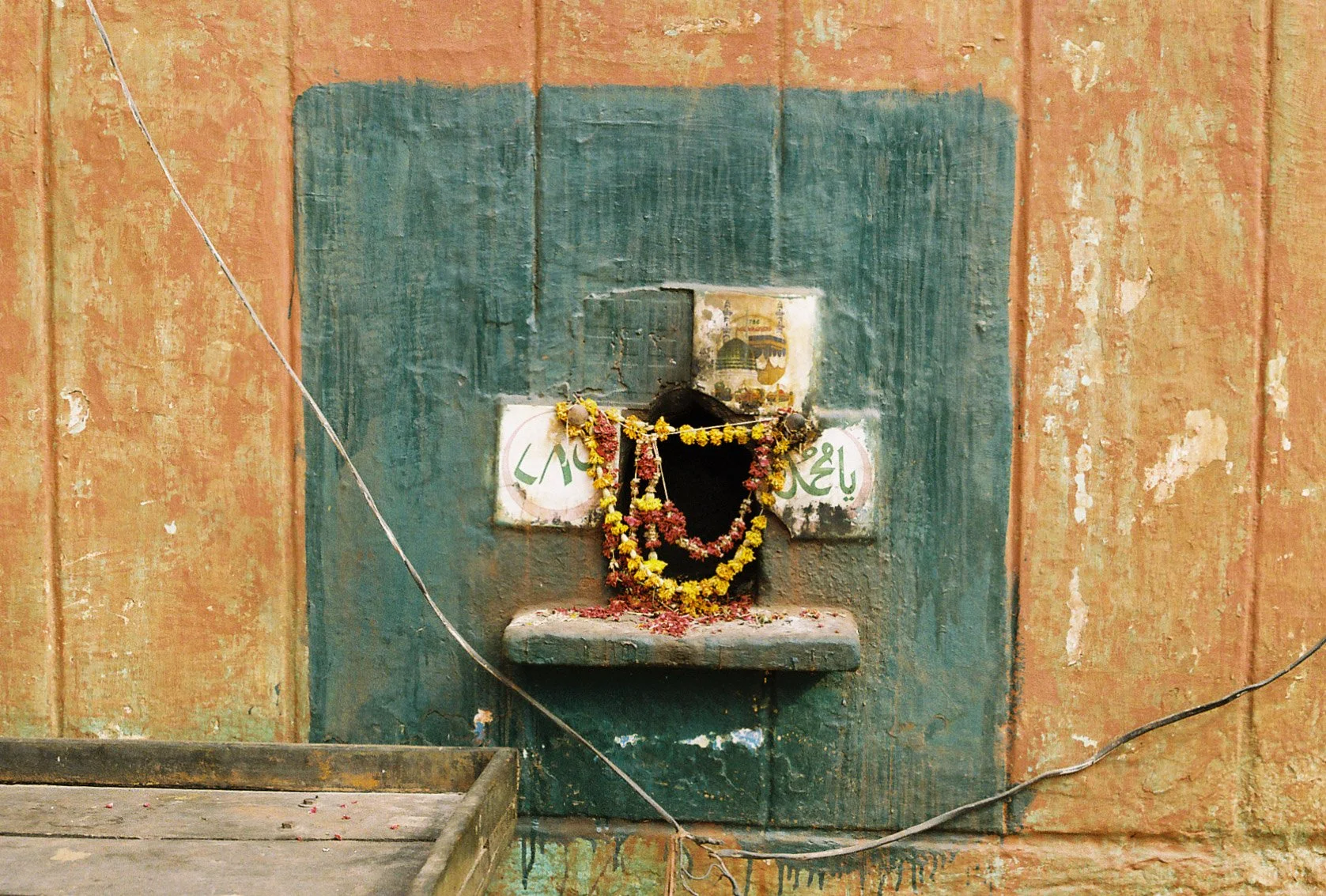
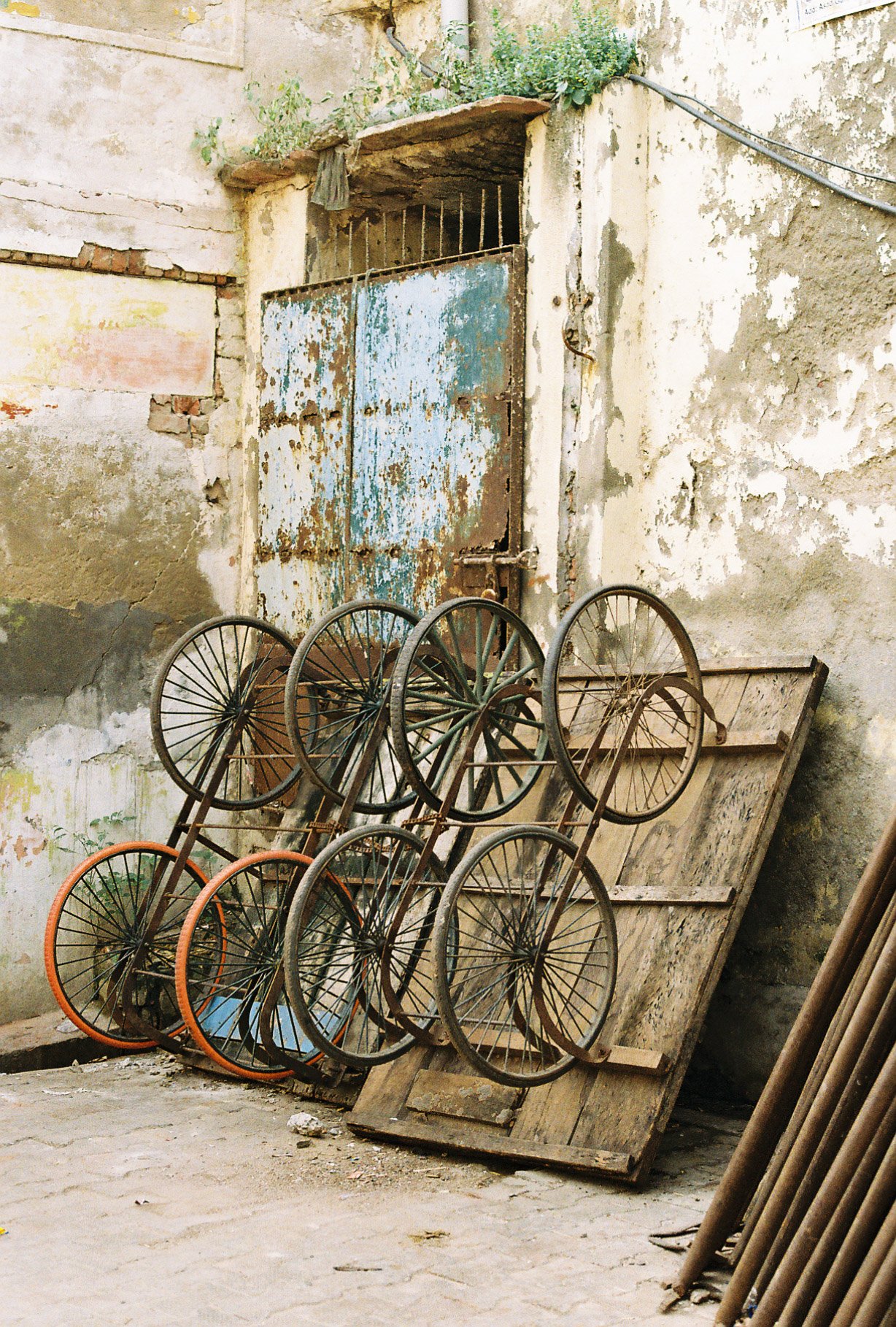
Only later did I realize that this area is called Taj Ganj, once a thriving Mughal-era commercial hub that evolved into an artisan settlement. For generations, craftsmen here have specialized in Parchin Kari and other traditional arts. To me, wandering through Taj Ganj felt more profound part of the Agra experience than visiting the Taj Mahal itself. The neighborhood holds a rich artistic legacy that people are still working to preserve, and what fascinated me most was how the place sometimes feels suspended in time. Maybe it’s the faded red sandstone buildings or the soft colors that linger on the walls, but it feels worth protecting. Capturing the people and the world surrounding the Taj Mahal on film felt, in its own way, poetic.